

Quick summary: Autonoma is the open-source alternative to Testsigma for AI-powered testing. Testsigma lets you write tests in plain English using NLP, but you still write every test manually. Autonoma generates tests automatically from your codebase, with no writing required. Autonoma is fully open source (BSL 1.1) with no feature restrictions, supports self-hosting, uses AI vision for execution and self-healing, and offers transparent pricing with a free tier.
Looking for an open source alternative to Testsigma? You want the accessibility of natural-language testing without the trade-offs: a community edition with missing features, selector-based execution hiding behind NLP syntax, and tests that still break when your UI changes.
Testsigma made testing more accessible by letting anyone write tests in plain English. Instead of driver.findElement(By.id("submit")).click(), you write "Click on Submit button." That's a genuine improvement for cross-functional teams. But underneath the natural language layer, Testsigma still translates your English into CSS selectors and XPaths. Someone still has to write every test case. Someone still has to maintain them when the UI changes. And the community edition, while technically open source, strips out the features that make Testsigma useful at scale: advanced AI capabilities, parallel execution, and key integrations are reserved for paid cloud plans. (For context on why open source matters in testing, see our State of QA 2025 research.)
Autonoma takes a fundamentally different approach. Instead of making test writing easier, Autonoma eliminates it. Connect your GitHub repo, and AI agents analyze your routes, components, and user flows to generate comprehensive E2E tests automatically. During execution, vision models see your application like a human would, with no selectors to break. The code is fully open source with no feature restrictions between self-hosted and cloud deployments.
Where Testsigma Falls Short
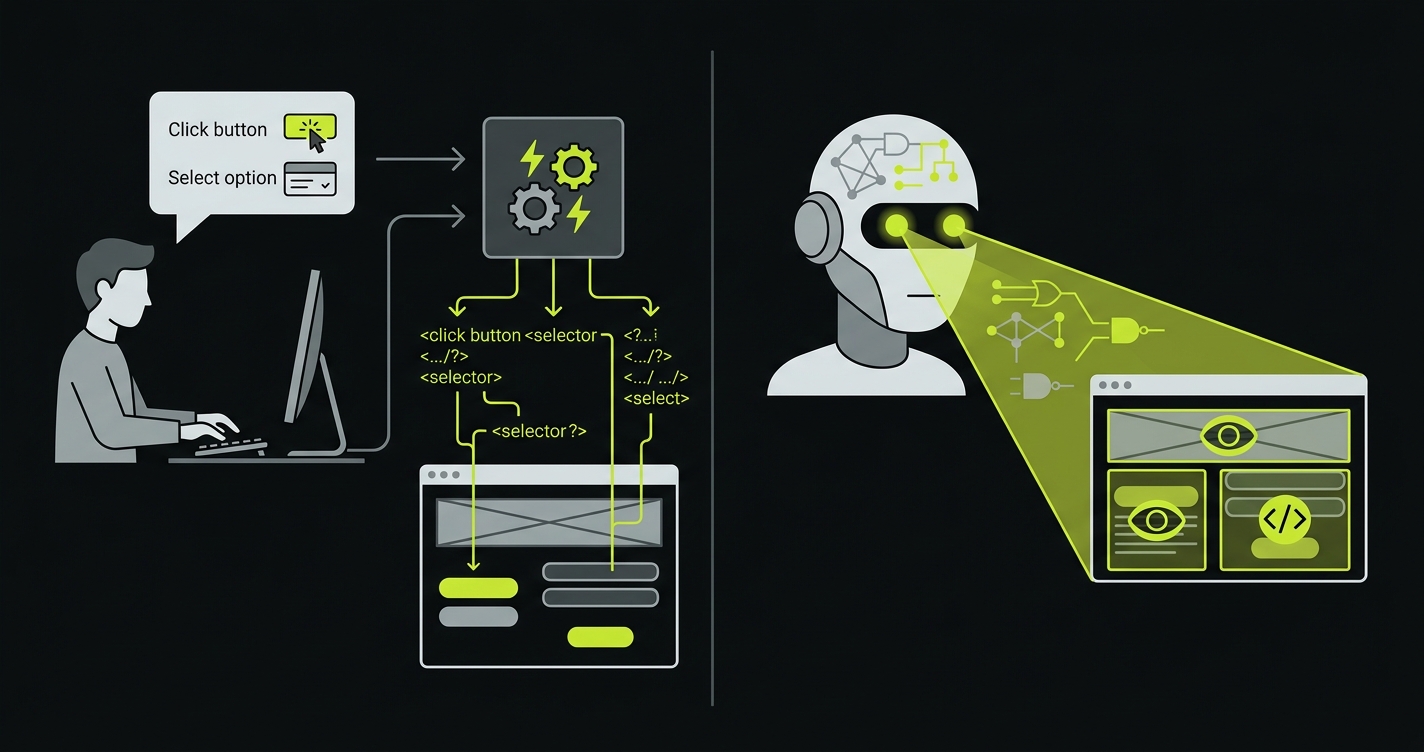
NLP Is Still Manual Test Writing
Testsigma's core promise is "write tests in plain English." That sounds transformative until you realize the bottleneck was never the programming language. The bottleneck is that someone has to think through every test case, write every step, specify every assertion, and update every script when the application changes.
With Testsigma, instead of writing await page.click('#checkout-btn'), you write "Click on Checkout button." The syntax is friendlier, but the workload is identical. For a checkout flow with five steps, three error states, and two payment methods, you're writing dozens of NLP steps across multiple test cases. You still need someone who understands the application well enough to specify what to test. You still need to maintain those tests when the design team reorganizes the checkout into three steps instead of five.
Autonoma removes this bottleneck entirely. AI agents read your codebase, identify routes, components, and user flows, then generate test cases covering happy paths, error states, and edge cases automatically. No one writes tests. No one maintains test scripts. The AI derives tests from code and keeps them synchronized as your application evolves.
The Community Edition Gap
Testsigma markets itself as open source, and it does have a community edition on GitHub. But there's a significant gap between what the community edition offers and what the cloud platform delivers. Advanced AI features, robust parallel execution, premium integrations, and enterprise-grade reporting are cloud-only. This creates a two-tier experience: you can self-host Testsigma, but you'll be running a limited version that lacks the capabilities you actually need at scale.
This "open core" model means teams often start with the community edition, hit its limitations, and migrate to the cloud anyway, ending up in the same vendor-locked position they were trying to avoid. The open source label gives a false sense of control.
Autonoma's open source version has zero feature restrictions. Every capability available in the cloud, including AI test generation, vision-based execution, self-healing, parallel runs, and all integrations, works identically when self-hosted. There's no premium tier hiding behind the open source label. If you deploy Autonoma on your own Kubernetes cluster, you get the full platform.
Selectors Under the Hood
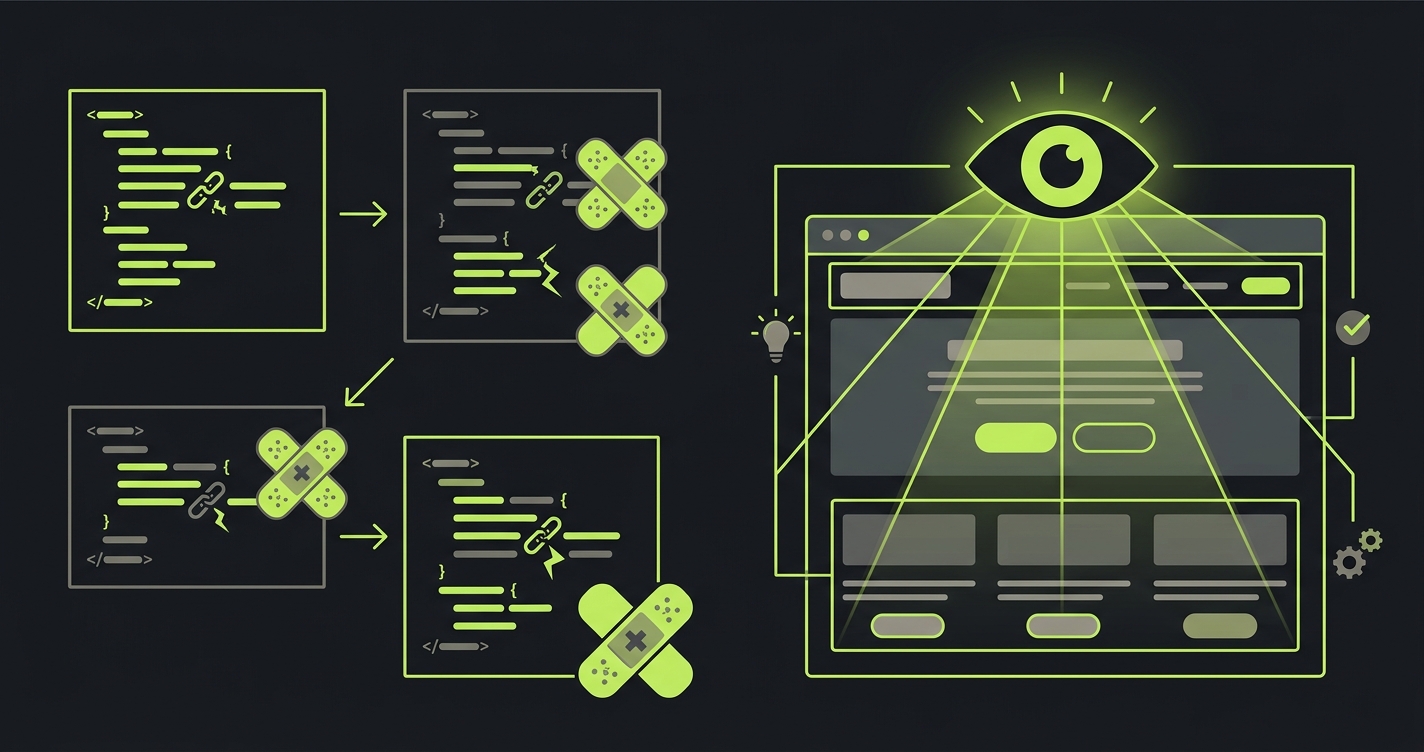
Here's what Testsigma doesn't emphasize: the NLP layer is a translation engine. When you write "Click on Submit button," Testsigma parses that English, identifies the target element, and generates a selector-based action behind the scenes. It's CSS selectors and XPaths wearing a natural language coat.
This means Testsigma inherits all the fragility of selector-based testing. Rename a CSS class, restructure the DOM, move an element from a div to a section, and the selector breaks. Testsigma's AI can handle some element-level changes (similar IDs, nearby text), but it can't adapt when the workflow itself changes. When your three-step checkout becomes a two-step checkout, the NLP step "Click Continue to Payment" fails because that button no longer exists, and no amount of selector healing fixes a missing workflow step.
Autonoma uses AI vision models that see the application like a human. No selectors, no XPaths, no DOM dependency. The AI understands what a test is trying to accomplish and navigates the UI visually. When a button moves, changes text, or an entire workflow is reorganized, the vision model adapts because it understands intent, not element identifiers. This makes Autonoma's self-healing effective across both minor UI tweaks and major architectural redesigns.
How Autonoma Solves These Problems
Autonoma addresses each of Testsigma's limitations with a codebase-first, vision-based architecture.
Automatic test generation replaces manual NLP scripting. Connect your GitHub repo via the test-planner-plugin, and AI agents analyze your routes, components, and user flows. They produce comprehensive E2E test cases covering scenarios a human might not think to test. When you ship new features, the AI detects new routes and generates coverage automatically. Your QA team reviews and validates rather than authors and maintains.
AI vision execution replaces selector-based interaction. During test runs, vision models see your application's UI and interact with it the way a user would. No CSS selectors, no XPaths, no brittle element identifiers. The AI recognizes buttons, forms, and navigation by their visual appearance and context. This eliminates the entire category of "selector broke" test failures that plague both traditional and NLP-based testing tools.
Intent-based self-healing replaces element-level patching. Because Autonoma understands what each test is trying to accomplish (not just which elements to click), it adapts when workflows change. A redesigned checkout flow doesn't break tests; the AI re-analyzes the code and adjusts execution to match the new reality. This reduces test maintenance from hours per sprint to near zero.
Full-parity open source replaces the community edition gap. Self-host on Kubernetes, AWS, or on-premises with every feature intact. No cloud-only restrictions, no premium tiers, no bait-and-switch from community to paid.
Detailed Feature Comparison
| Feature | Testsigma | Autonoma |
|---|---|---|
| Source Code | Community edition (open source, limited features) | Open source (GitHub, BSL 1.1, full features) |
| Test Creation | You write tests in NLP / plain English | AI generates tests from your codebase |
| AI Capability | NLP parsing of English commands | Codebase analysis + vision-based execution |
| Element Detection | Selector-based (under NLP layer) | AI computer vision |
| Self-Healing | Element-level (selector patching) | Intent-level (vision + codebase awareness) |
| Web Testing | Chrome, Firefox, Safari, Edge | Chrome, Firefox, Safari (Playwright) |
| Mobile Testing | iOS, Android (Appium-based) | iOS, Android (emulators + real devices) |
| Self-Hosting | Community edition only (feature-limited) | Full platform, no feature restrictions |
| Deployment Options | Cloud or limited self-hosted | Cloud, Kubernetes, AWS, on-premises |
| Data Control | Cloud: Testsigma servers; self-hosted: limited | Full data control (self-host or cloud) |
| API Access | REST API | REST API + GitHub App integration |
| CI/CD Integration | Jenkins, GitHub Actions, CircleCI, etc. | GitHub Actions, Jenkins, CircleCI, etc. |
| Parallel Execution | Cloud only (plan-dependent) | Unlimited (cloud and self-hosted) |
| Test Export | Limited (NLP format) | Tests generated from code (no lock-in) |
| Code Inspection | Community edition only | Full source code access |
| Custom Extensions | Add-ons within Testsigma's framework | Fork and modify anything |
| Pricing Model | Free community + paid cloud plans | Transparent (free tier + paid plans) |
| Free Tier | Community edition (limited) + cloud trial | 100K credits, no credit card, full features |
| Community | GitHub community + Discord | GitHub community + support forum |
The Cost Equation
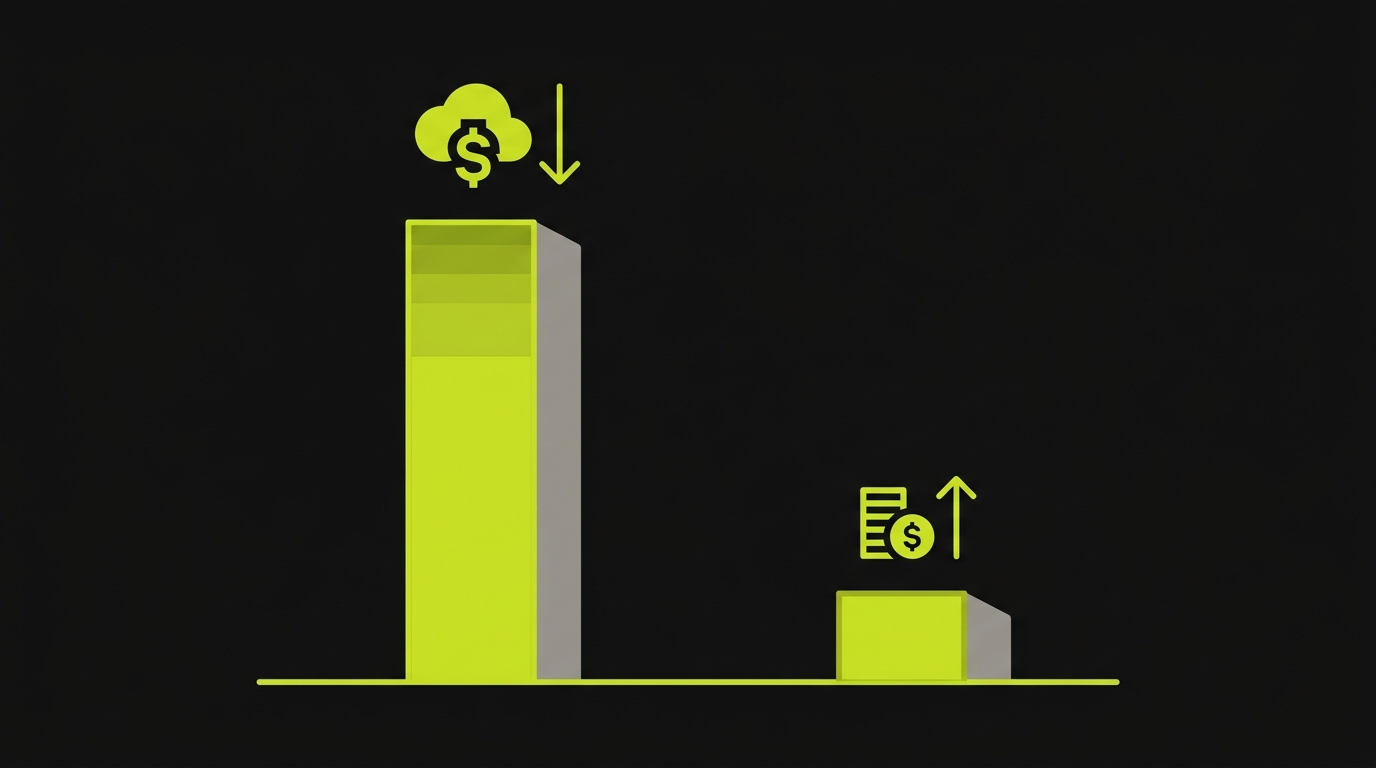
Testsigma's pricing has two layers. The community edition is free but feature-limited; it works for small teams experimenting with NLP testing but lacks the AI features, parallelism, and integrations that matter at scale. The cloud platform uses tiered pricing based on test runs, parallel executions, and team size. As your test suite grows, costs scale with it.
The hidden cost is authoring time. Even with NLP syntax, writing and maintaining hundreds of test cases takes significant QA effort. When your UI changes, someone updates the NLP steps. When new features ship, someone writes new tests. This labor cost often exceeds the platform subscription itself.
Autonoma changes the cost equation on both fronts:
- Free tier: 100,000 credits (approximately 1,000-2,000 test executions), no credit card required
- Paid plans: Starting at $499/month for 1 million credits, unlimited users, unlimited parallel execution
- Self-hosted: Infrastructure cost only, no software licensing fees, no per-execution charges
- Authoring cost: Near zero. AI generates tests from your codebase; your team reviews rather than writes
For a team running 500 tests daily, the total cost of ownership with Autonoma (platform fees plus engineering time) is typically a fraction of what Testsigma costs when you factor in the hours spent writing and maintaining NLP test scripts.
Migration from Testsigma
If you've built a test suite in Testsigma, migration doesn't mean translating NLP scripts one by one. That would defeat the purpose of moving to AI-generated testing.
Step 1: Inventory your coverage. Document which flows your Testsigma tests cover, which are critical path, and which Testsigma-specific features you rely on (custom functions, data generators, add-ons). This becomes your validation baseline.
Step 2: Connect your codebase. Install Autonoma's GitHub App and grant access to your repository. AI agents analyze your routes, components, and user flows, then generate comprehensive E2E test coverage automatically. You're not porting Testsigma NLP scripts; the AI produces fresh coverage from your code.
Step 3: Validate coverage. Review generated test plans against your Testsigma inventory. Teams often discover that Autonoma catches scenarios their manually-written NLP tests missed, because the AI analyzes code paths exhaustively rather than testing only what a human thought to specify.
Step 4: Update CI/CD. Replace Testsigma API calls in your pipeline with Autonoma API calls. This typically takes two to four hours. Run both platforms in parallel for one to four weeks before completing the cutover.
For typical suites: one week for under 30 tests, two to three weeks for 50-100 tests, four to six weeks for 200+ tests. These timelines reflect validation effort, not manual porting.
Frequently Asked Questions
Yes. Autonoma's core testing engine is available on GitHub at github.com/autonoma-ai/autonoma under BSL 1.1 (Business Source License), which converts to Apache 2.0 in March 2028. You can inspect the code, contribute improvements, self-host the entire platform, and modify it to fit your needs. The only restriction is you can't resell it as a commercial service. There are no feature restrictions in the open source version.
Testsigma's community edition is open source but limited compared to its cloud version: it lacks advanced AI features, parallel execution, and integrations available only in paid plans. Autonoma's open source version has no feature restrictions. Every capability available in the cloud is available when self-hosted, including AI test generation, vision-based execution, and self-healing.
Yes. Deploy on your own Kubernetes cluster, AWS infrastructure, or on-premises servers with no feature limits. All cloud features work identically in self-hosted deployments. This gives you complete data control, eliminates per-test execution costs, and removes vendor dependency.
Testsigma requires you to write tests in NLP (natural language); Autonoma generates tests from your codebase automatically. Testsigma's community edition is feature-limited; Autonoma's open source version has full parity with the cloud. Testsigma uses selector-based execution under the hood; Autonoma uses AI vision. Testsigma's cloud pricing is enterprise-tier; Autonoma has a free tier and transparent pricing.
You don't migrate tests one-by-one. Connect your repo and Autonoma's AI generates tests from your codebase; you're replacing Testsigma NLP scripts with AI-generated coverage. The migration effort is validating that generated tests cover the same scenarios. Most teams achieve full coverage within days.
The Bottom Line
Testsigma proved that natural language test authoring makes testing accessible to non-engineers. Writing "Click on Submit button" instead of driver.findElement(By.cssSelector(".btn-submit")).click() is genuinely easier. But accessibility was only half the problem. The other half is that someone still has to write, maintain, and update every test. NLP syntax doesn't change the fundamental workload; it just changes the language.
Autonoma eliminates test writing entirely. AI generates tests from your codebase, executes them with vision models, and maintains them automatically. You get automatic test generation from your codebase with no writing required, full source code on GitHub under BSL 1.1 (converting to Apache 2.0 in March 2028), self-hosting with full feature parity (no community edition limitations), vision-based execution that doesn't rely on selectors, intent-level self-healing that adapts to both UI tweaks and major redesigns, transparent pricing with a generous free tier, and zero vendor lock-in.
Choose open source when you want control, transparency, and the freedom to run your testing infrastructure on your terms.
Ready to try the open source alternative?
Start Free on Autonoma - 100K credits, no credit card, full platform access
View the Source Code - Fork, modify, contribute
Read the Documentation - Self-hosting guides, API reference, tutorials
Related Reading: