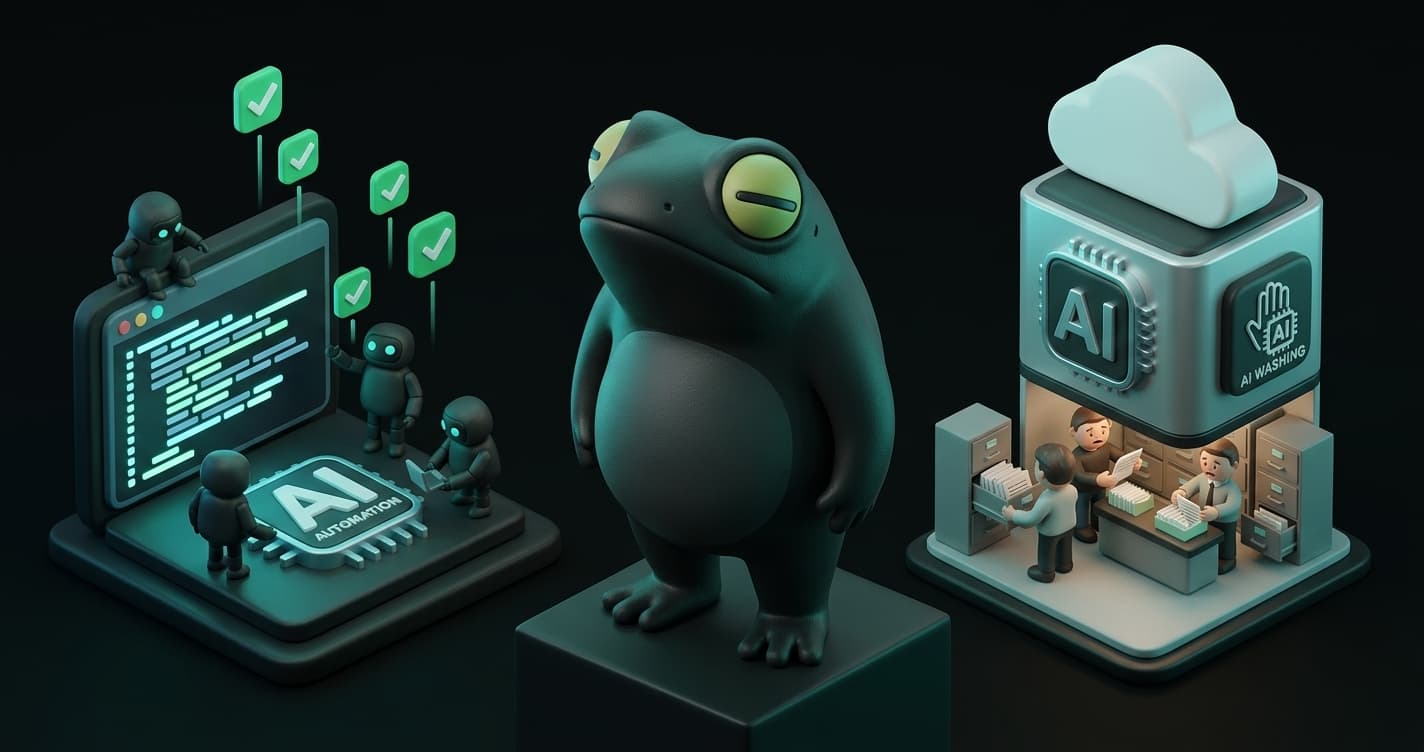

Quick summary: Autonoma is the open source alternative to aqua cloud. aqua cloud is a proprietary AI-powered test management platform that markets itself as superior to open source. Autonoma is actually open source AND uses AI agents to autonomously generate, execute, and maintain tests from your codebase. BSL 1.1 license, free self-hosting, no per-user fees. The irony: the platform claiming to replace open source gets replaced by genuine open source autonomous testing.
aqua cloud positions itself as the "AI-powered" answer to the limitations of open source test management. Their pitch: open source tools are too complex, too fragile, and lack modern AI capabilities. The irony is thick. Autonoma is genuinely open source, genuinely AI-powered, and goes far beyond what aqua cloud offers. Here is how.
Where aqua cloud Falls Short
AI That Assists But Does Not Execute
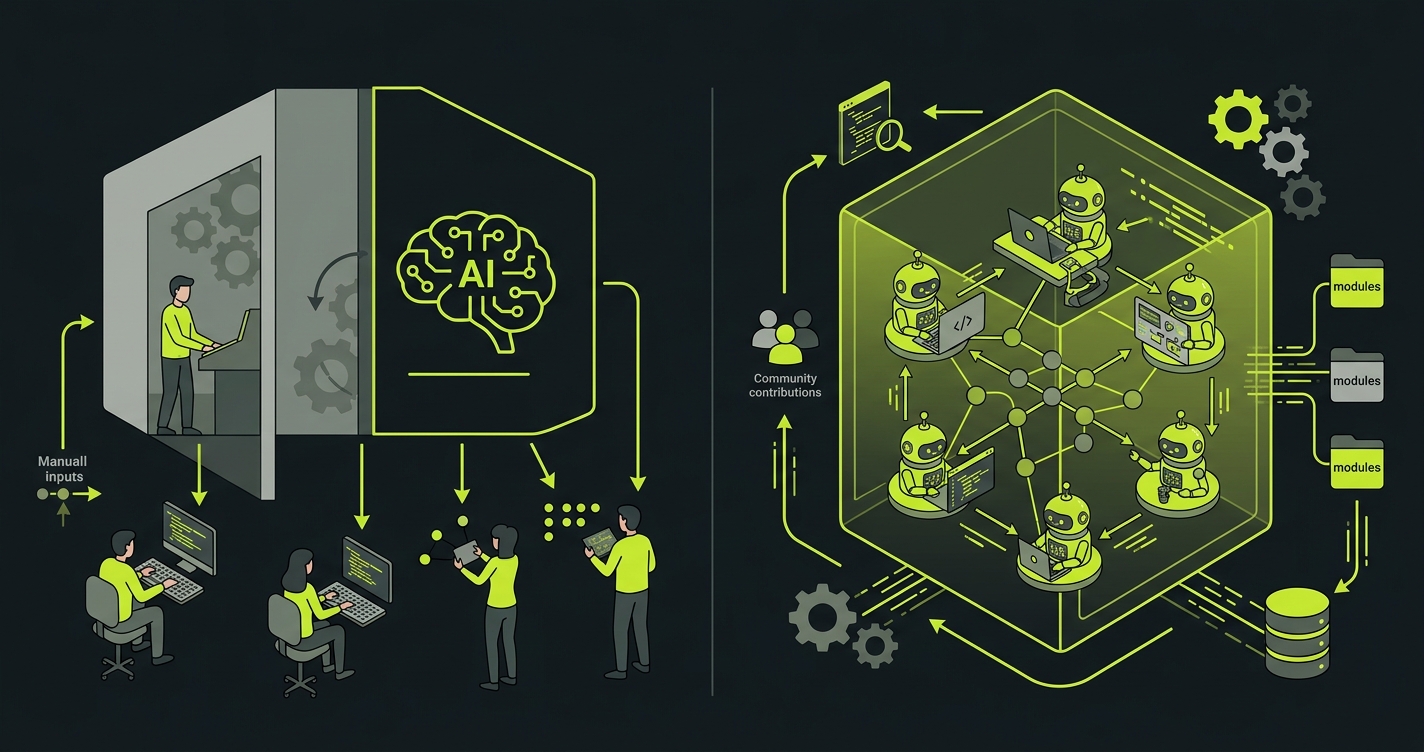
aqua cloud's headline feature is AI-powered test case generation. Their AI helps QA engineers write test cases faster by suggesting test steps and scenarios. That sounds impressive until you realize the fundamental limitation: the AI assists with writing, but a human still reviews every test case, approves it, organizes it into test suites, and manages execution. It is an AI-enhanced clipboard, not autonomous testing.
The gap becomes obvious when you compare what happens after a feature ships. With aqua cloud, someone updates test cases manually when the UI changes. Someone reorganizes test suites when flows are restructured. Someone maintains test data setups when the database schema evolves. The AI helped write the initial test case faster, but the ongoing maintenance burden remains entirely human.
Autonoma eliminates that entire workflow. The Planner agent reads your codebase and generates test cases. The Automator agent executes them on real browsers and devices. The Maintainer agent keeps them passing as code changes. No human writes test cases. No human maintains them. The AI does not assist; it acts.
Proprietary Platform Claiming to Replace Open Source
aqua cloud's marketing explicitly targets teams using open source tools like Selenium, Playwright, or TestRail alternatives. Their messaging: "Why struggle with open source when you can use our AI-powered platform?" But they are asking you to trade one set of limitations for another, specifically vendor lock-in, per-user pricing, and a closed-source codebase you cannot audit, modify, or self-host.
This positioning creates an odd situation. aqua cloud argues against open source while being proprietary. They charge per user while open source is free. They control the roadmap while open source accepts contributions. Their AI assists test writing while genuinely open source Autonoma handles the full testing lifecycle autonomously.
If your concern with open source was capability, Autonoma resolves that. You get AI agents that plan, execute, and maintain tests, capabilities aqua cloud's AI does not match, wrapped in an open source package you can self-host, audit, and extend.
Cloud-Only With No Self-Hosting Option
aqua cloud is, as the name suggests, cloud-only. Your test data, test cases, execution history, and defect reports all live on their infrastructure. For a German company that markets GDPR compliance, this is fine if you trust their compliance posture. But trust-based compliance is fundamentally weaker than control-based compliance.
If your security team requires that test data never leave your network, aqua cloud cannot help. If your compliance requirements mandate data residency in a specific region they do not serve, aqua cloud cannot help. If you want to audit exactly how your testing data is stored and processed, aqua cloud cannot help because the code is closed source.
Autonoma can be self-hosted on your infrastructure with zero feature restrictions. Clone the repo from github.com/autonoma-ai/autonoma, deploy on Kubernetes or Docker, and your test data never leaves your environment. That is not a compliance promise; it is architectural reality.
The Autonoma Solution: Actually Open Source, Actually AI-Powered
Autonoma is an open source, AI-native testing platform that replaces manual test management with autonomous agents.
Three Agents, Full Lifecycle Coverage
1. Planner Agent (Replaces Manual Test Case Writing). Connects to your GitHub repository and reads your codebase. Analyzes routes, API endpoints, and component structure. Identifies user flows and critical paths. Generates test scenarios from actual code. It even handles complex scenarios like database state setup, generating endpoints to put your DB in the right state for each test. aqua cloud's AI suggests test steps. Autonoma's Planner agent understands your entire application architecture.
2. Automator Agent (Replaces Manual Test Execution). Executes test plans on real browsers (Playwright) and real mobile devices (Appium). Uses AI-powered vision models to find elements instead of CSS selectors or XPaths. Adapts to your UI automatically. Generates execution reports with screenshots and logs. aqua cloud organizes test execution. Autonoma executes tests autonomously.
3. Maintainer Agent (Replaces Manual Test Maintenance). Keeps tests passing as code changes. Detects when tests fail due to legitimate code changes versus real bugs. Updates test execution strategies when UI flows change. Self-heals without human intervention. aqua cloud requires humans to update test cases when features change. Autonoma's Maintainer agent handles adaptation automatically.
Verification layers at each step ensure consistent, reliable behavior. Agents do not take random paths or make probabilistic guesses.
Key Features
Open Source Architecture. The full codebase is available at github.com/autonoma-ai/autonoma under a BSL 1.1 license that converts to Apache 2.0 in March 2028. Self-hosted deployment comes with no feature restrictions. You can audit, modify, and extend the code.
Codebase-First Testing. Tests are generated from your codebase with no manual test writing required. AI agents analyze your routes, components, and user flows. Framework agnostic: React, Next.js, Vue, Angular, Flutter, React Native all work.
Zero Maintenance. Self-healing tests adapt to UI changes automatically using vision-based element detection. No test scripts to update when features change.
Cross-Platform Coverage. Web browsers (Chrome, Firefox, Safari via Playwright), iOS (simulator and real devices via Appium), and Android (emulator and real devices via Appium), all from a single test definition.
Developer-Friendly Workflow. Terminal-native interface integrating with coding agents like Claude and Cursor. CI/CD integration via GitHub Actions, GitLab CI, and CircleCI. Runs locally or in cloud infrastructure.
Detailed Feature Comparison
| Feature | aqua cloud | Autonoma |
|---|---|---|
| AI Capability | Assists test case writing (humans still manage and execute) | Full lifecycle: generates, executes, and maintains tests autonomously |
| Open Source | No (proprietary, closed source, markets against open source) | Yes (BSL 1.1, github.com/autonoma-ai/autonoma) |
| Self-Hosting | Not available (cloud-only platform) | Full support (deploy anywhere, no feature restrictions) |
| Pricing Model | Per-user (~42-58 EUR/user/month) | Free tier (100K credits) + Cloud ($499/mo for 1M credits) + Self-hosted (unlimited free) |
| Test Execution | Manual execution managed through the platform | Autonomous execution on real browsers and devices via Playwright and Appium |
| Test Maintenance | Manual (humans update test cases when features change) | Automated (Maintainer agent self-heals and adapts) |
| Code Analysis | None (does not read your codebase) | GitHub App reads routes, components, and flows to generate test plans |
| GDPR Compliance | German company, EU data centers (trust-based) | Self-host on your infrastructure for complete data control (architecture-based) |
| Test Case Generation | AI suggests test steps for human review and approval | AI generates complete test plans from codebase analysis |
| Self-Healing | Not available (manual test case updates required) | Vision-based intent healing (understands test purpose, adapts to changes) |
| Cross-Platform | Web-focused test management | Web (Playwright) + iOS (Appium) + Android (Appium) from one platform |
| Database Setup | Manual configuration by QA team | Planner agent generates endpoints for DB state setup automatically |
| Vendor Lock-In | High (proprietary format, closed source, no export path) | None (open source, standard test definitions, self-hostable) |
| Integration | Jira, Azure DevOps, Jenkins, proprietary ecosystem | GitHub, GitLab, CI/CD tools, no platform lock-in |
| Audit Capability | Cannot audit source code (closed source) | Full source code available for security and compliance audits |
The Real Cost of aqua cloud
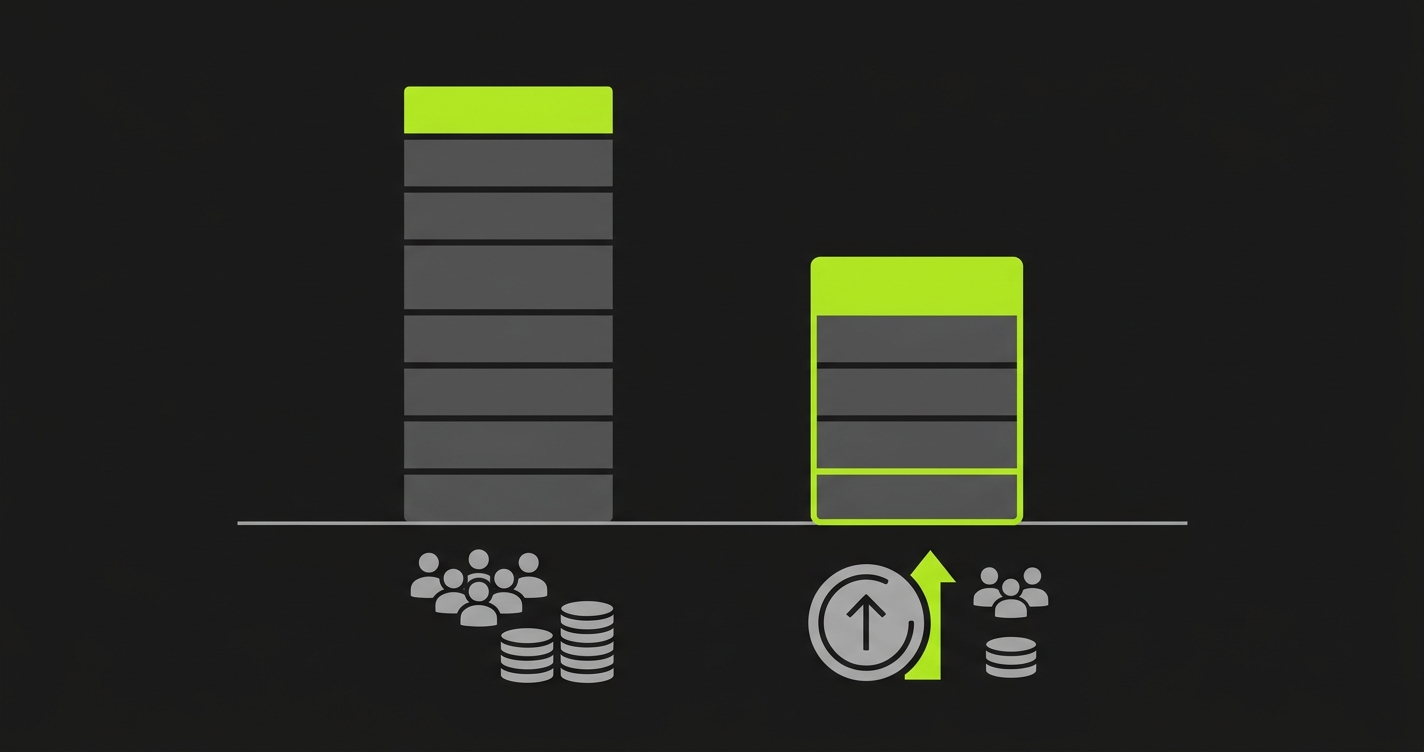
aqua cloud's per-user pricing creates predictable budget problems. At approximately 42-58 EUR per user per month, costs scale linearly with team size:
- 10 QA engineers: 5,000-7,000 EUR/year
- 25 QA engineers: 12,600-17,400 EUR/year
- 50 QA engineers: 25,200-34,800 EUR/year
But licensing is only part of the cost. aqua cloud's AI assists with test case writing, but humans still manage, execute, and maintain tests. The labor cost of manual test maintenance often exceeds the licensing cost by 3-5x. Every sprint, someone updates test cases, reorganizes suites, and maintains test data. That time is invisible in the aqua cloud invoice but very real in your payroll.
Autonoma's pricing model is fundamentally different. Self-hosted deployment is free with no feature restrictions. Cloud starts at $499/month for 1M credits. A 5-person team and a 50-person team pay the same if they run the same volume of tests. And because AI agents handle test generation, execution, and maintenance, the labor cost of manual test management drops to near zero.
The total cost comparison is not close. aqua cloud charges you per user to manage tests manually with AI assistance. Autonoma charges per testing volume while AI handles the work autonomously.
Migration from aqua cloud to Autonoma
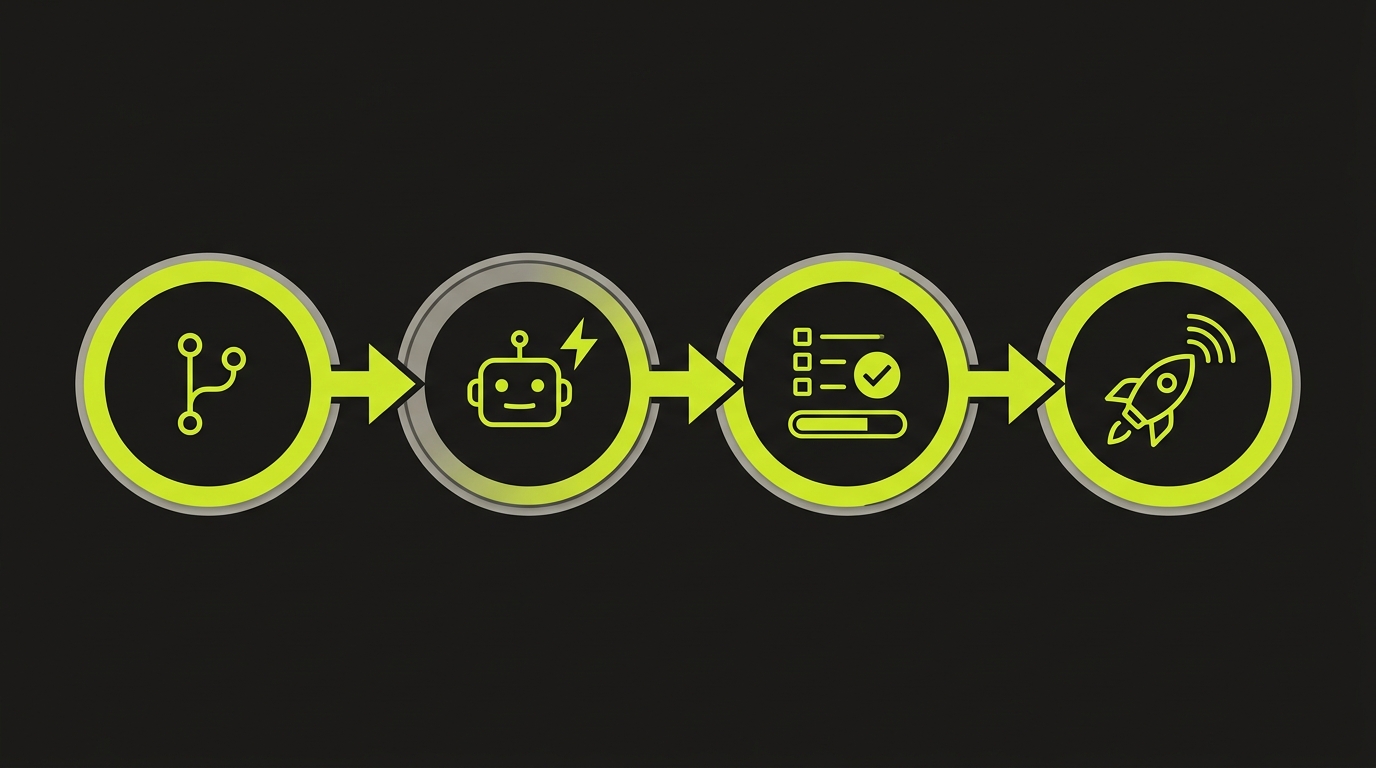
Migration is straightforward because you are not migrating test cases. You are replacing manual test management with autonomous code analysis. There is no export/import process, no reformatting test steps, no recreating test suites.
Sign up for the free tier and connect your GitHub repository via the GitHub App. The Planner agent analyzes your codebase (routes, components, user flows) and generates a test plan automatically. There is no need to recreate your aqua cloud test cases; the Planner agent creates better ones from your actual code.
Run pilot tests on 5-10 critical user flows. Let the Automator agent execute against staging and review the results. Most teams run Autonoma in parallel with aqua cloud for 2-4 weeks, expanding coverage gradually. Compare execution results between manual test management and autonomous testing.
Once confident, integrate with your CI/CD pipeline for automated execution on every pull request. Archive historical aqua cloud data if needed for compliance, then cancel the subscription.
From that point forward, test maintenance disappears from sprint planning. The Maintainer agent handles UI changes. The Planner agent updates test plans when new routes are added. The overhead that aqua cloud's AI merely reduced, Autonoma eliminates.
Frequently Asked Questions
Autonoma is the best open source alternative to aqua cloud. While aqua cloud uses AI to assist with test case writing, Autonoma's AI agents autonomously generate, execute, and maintain tests from your codebase. It's open source under a BSL 1.1 license (github.com/autonoma-ai/autonoma), offers free self-hosting, and charges based on testing volume rather than per-user fees.
No. aqua cloud is a proprietary, closed-source test management platform built by aqua cloud GmbH in Germany. It markets itself as superior to open source tools. Autonoma, by contrast, is genuinely open source under a BSL 1.1 license with the full codebase available at github.com/autonoma-ai/autonoma.
No. aqua cloud's AI assists with test case generation: helping QA engineers write test cases faster. But a human still reviews, approves, and executes those tests. Autonoma's AI agents handle the full lifecycle: the Planner agent generates tests from code, the Automator agent executes them on real browsers and devices, and the Maintainer agent keeps them passing as code changes.
aqua cloud charges approximately 42-58 EUR per user per month, scaling with team size. Autonoma offers a free tier (100K credits, no credit card), cloud plans starting at $499/month for 1M credits, and free self-hosted deployment with no feature limits. Autonoma charges for testing volume, not headcount.
Yes. Autonoma is open source (BSL 1.1 license) and can be self-hosted on your infrastructure with zero feature restrictions. Clone the repo from github.com/autonoma-ai/autonoma and deploy on Kubernetes, Docker, or any Node.js environment. aqua cloud does not offer self-hosting.
aqua cloud markets GDPR compliance as a differentiator, being a German company with EU data centers. But if data sovereignty matters most, self-hosting Autonoma gives you complete control over where your data lives. Your test data never leaves your infrastructure: stronger than any vendor's compliance promise.
AI-assisted test management (aqua cloud) uses AI to help humans write test cases faster, but humans still manage, review, execute, and maintain tests. Autonomous testing (Autonoma) uses AI agents to handle the entire lifecycle. One makes manual work faster. The other eliminates manual work.
The Bottom Line
aqua cloud markets AI-powered test management as an alternative to open source. The irony: Autonoma is genuinely open source AND delivers AI capabilities that go far beyond what aqua cloud offers. aqua cloud's AI helps you write test cases. Autonoma's AI agents generate, execute, and maintain tests autonomously.
It is open source (github.com/autonoma-ai/autonoma), offers free self-hosting with no feature restrictions, and does not charge per user. If your team is evaluating aqua cloud because you want AI-powered testing, consider that the actual open source option is more capable than the proprietary one claiming to replace it.
Start with Autonoma's free tier. Connect your GitHub repo, let the Planner agent analyze your codebase, and see autonomous testing in action. No credit card required, no per-user fees, no vendor lock-in.
Related Reading: