

Quick summary: Autonoma is the open-source alternative to Perfecto. Unlike Perfecto's proprietary device cloud (custom enterprise pricing, typically $30K-80K/year), Autonoma generates tests automatically from your codebase using AI agents. Full source code on GitHub (BSL 1.1), self-hosting on your infrastructure, vision-based self-healing that goes far beyond locator patching, unlimited parallel execution, no vendor lock-in. Free tier: 100K credits. Cloud: $499/month. Self-hosted: no ongoing platform costs.
Perfecto, now owned by Perforce, markets itself as an enterprise-grade device cloud with "AI self-healing" for web and mobile testing. It has real devices, a polished dashboard, and the backing of a large enterprise toolchain company. But underneath the marketing, teams are still writing Selenium and Appium scripts by hand, paying $30K-80K per year for the privilege, and dealing with a "self-healing" system that patches broken locators rather than understanding what your tests actually do.
For teams evaluating Perfecto, the real question is whether you need a device cloud that runs your manually written tests, or a testing platform where AI generates and maintains tests for you. If it is the latter, the open-source option costs a fraction of the price and delivers fundamentally different capabilities.
Autonoma is the open-source alternative built for teams that want AI-native testing without enterprise procurement cycles. Full source code on GitHub, self-hosting or cloud deployment, AI that generates and maintains tests from your codebase, and pricing that starts at free. This guide covers where Perfecto falls short, how Autonoma solves those problems, and how to switch.
Where Perfecto Falls Short
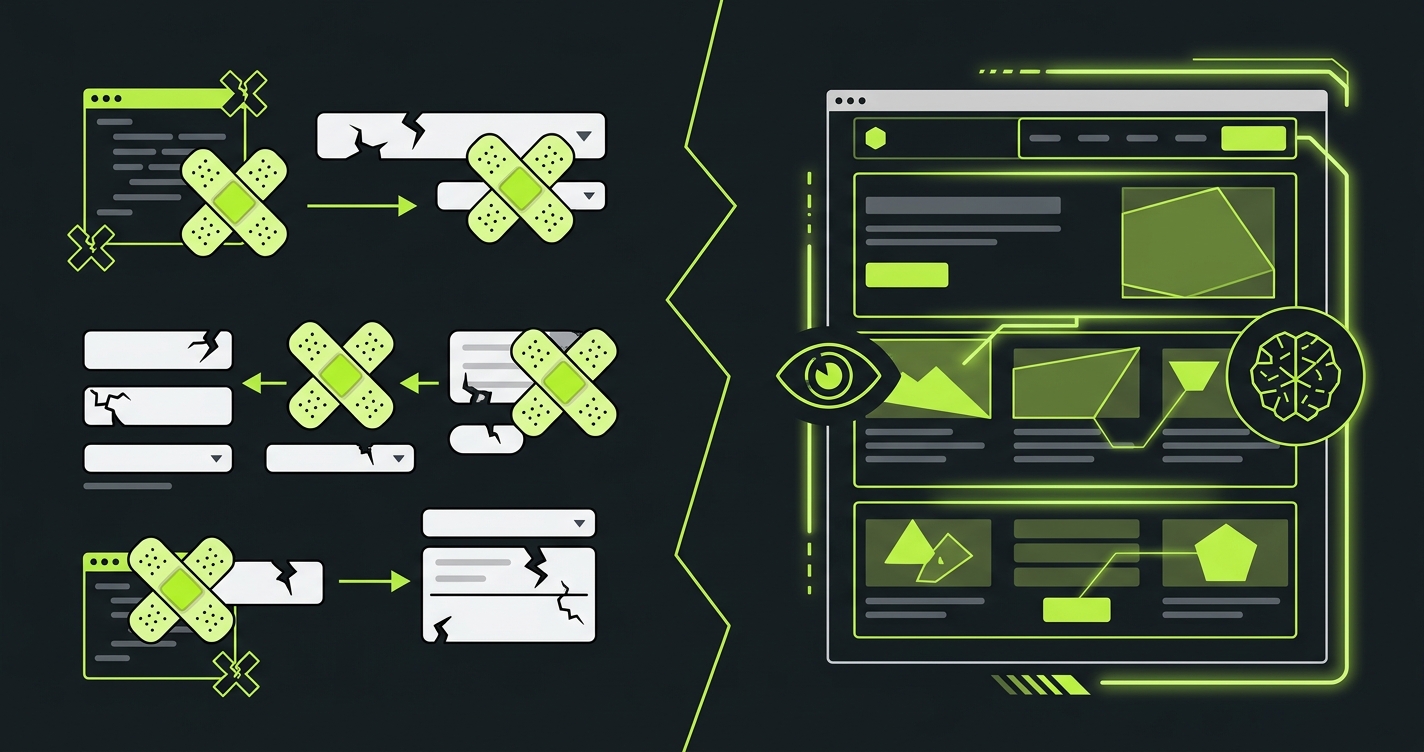
Three core problems drive engineering teams toward open source alternatives to Perfecto.
Enterprise Pricing and Procurement Friction
Perfecto does not publish pricing. You fill out a form, talk to a sales rep, negotiate a contract, and eventually get a custom quote. Teams consistently report annual costs between $30K and $80K depending on device concurrency, execution minutes, and add-on features. Some enterprise agreements exceed $100K.
Since Perforce acquired Perfecto, the procurement process has become even more complex. You are not just buying a testing tool; you are entering a relationship with a large enterprise software vendor. That means multi-week sales cycles, annual contracts with auto-renewal clauses, and pricing renegotiations that consume engineering leadership time.
One engineering director told us: "We spent six weeks getting Perfecto approved through procurement. The tool worked fine, but the buying process was designed for Fortune 500 companies, not a 50-person startup scaling fast."
For startups and mid-market teams, this procurement friction is a hidden cost. Engineering time spent on vendor negotiations is engineering time not spent building product. And the annual commitment means you are locked in even if your testing needs change.
"AI Self-Healing" That Only Patches Locators
Perfecto markets "AI self-healing" as a core differentiator. In practice, their self-healing does one thing: when an element locator (CSS selector, XPath, or accessibility ID) breaks because a developer changed a class name or restructured the DOM, Perfecto's system attempts to find a new locator that points to the same element.
This is locator patching, not intelligence. It handles the simplest category of test failure: a renamed CSS class or a moved element. It does not handle:
- Layout changes: a button that moves from the header to a sidebar
- Flow changes: a checkout process that adds a new step
- Component replacements: a dropdown that becomes a search-with-autocomplete
- Redesigns: a page that gets rebuilt with entirely new components
- New features: functionality that did not exist when the test was written
When any of these happen, and they happen in every sprint, Perfecto's self-healing fails silently or produces false positives. An engineer still has to open the Selenium/Appium script, understand what changed, and manually update the test. The "AI" label obscures the reality: you are still maintaining scripts by hand for anything beyond trivial locator drift.
You Still Write Every Test Manually
Perfecto is a test execution platform, not a test generation platform. You bring your own Selenium, Appium, Espresso, or XCUITest scripts. Perfecto runs them on its device cloud. That is the product.
This means your QA engineers spend their time writing test code, maintaining test frameworks, debugging flaky selectors, and updating scripts when the application changes. Perfecto accelerates execution but does nothing to reduce the authoring and maintenance burden, which is where 60-80% of testing cost actually lives.
Teams with 200-500 E2E tests typically spend 15-25 hours per week on test maintenance alone. At $75-150/hour for QA engineering time, that is $60K-195K per year in maintenance labor, on top of the $30K-80K Perfecto license. The total cost of ownership for Perfecto-based testing often exceeds $100K annually when you account for both the tool and the engineering effort to feed it.
Perfecto's model assumes that writing and maintaining test scripts is a fixed, unavoidable cost. It is not. AI has changed what is possible.
Autonoma: The Open Source Alternative to Perfecto
Autonoma is an open-source, AI-native testing platform that eliminates the problems above by rethinking how tests are created, executed, and maintained.
Open Source and Self-Hosting
Full source code on GitHub. Licensed under BSL 1.1 (converts to Apache 2.0 in 2028). You can use it in production, inspect every line of code, audit security practices, and self-host with no feature restrictions. The only limitation: you cannot resell Autonoma's functionality as a commercial service.
Perfecto is closed source. You cannot inspect how tests execute on their device cloud, audit how your application credentials are handled, or verify their security claims. When something breaks, you file a support ticket and wait. With Autonoma, you read the source, debug locally, and fix the issue yourself if needed.
Run Autonoma on your infrastructure: AWS (ECS, EKS, or EC2), GCP (GKE or Compute Engine), Azure (AKS or VMs), or your own data center. When you self-host, your data never leaves your infrastructure. Test credentials stay on your servers. Application URLs are never exposed to external systems. For teams subject to HIPAA, PCI DSS, SOC 2, or FedRAMP requirements, this is often the deciding factor.
Self-hosting is free: no platform fees, no per-user charges, no device concurrency markups. You pay only for the cloud infrastructure you provision.
AI That Generates Entire Tests, Not Just Patches Locators
This is the fundamental difference between Autonoma and Perfecto. Perfecto patches broken locators in tests you wrote. Autonoma generates the tests themselves.
How it works: You connect your GitHub repo, and Autonoma's Planner agent reads your routes, components, and user flows to build a knowledge base of your application, then generates comprehensive E2E test cases based on your actual code structure. No Selenium scripts. No Appium scripts. No manual test writing at all.
Tests execute using AI vision models that see your application like a human user would. There are no CSS selectors or XPaths to break. When your designer moves a button, changes a layout, or adds a new checkout step, the AI adapts because it understands intent, not DOM structure. Each step includes verification layers to ensure consistent, reliable behavior.
Compare this to Perfecto's approach:
- Perfecto: You write Selenium/Appium scripts. Perfecto runs them. When a locator breaks, their "AI" tries to find a new locator for the same element. When anything more substantial changes, you rewrite the script.
- Autonoma: Nobody writes scripts. AI generates tests from your codebase. Vision models execute tests by seeing the UI. When the UI changes, vision adapts automatically. When new features ship, AI generates new tests.
The engineering hours you currently spend writing and maintaining Selenium/Appium scripts drop to zero. Your QA team shifts from maintaining test code to reviewing test plans and analyzing results: higher-leverage work that actually finds bugs instead of chasing broken selectors.
Unlimited Parallel Execution
Every Autonoma plan (free tier, cloud, and self-hosted) supports unlimited parallel execution. Perfecto caps concurrency based on your contract tier, and increasing concurrency means renegotiating your enterprise agreement and paying significantly more.
When you self-host Autonoma, parallel capacity is limited only by the compute resources you allocate. Add more containers, run more tests simultaneously. No sales calls, no contract amendments, no artificial limits.
Cross-Platform Coverage
Autonoma supports web testing through Playwright (Chrome, Firefox, Safari across desktop and mobile viewports) and mobile testing through Appium (iOS simulators, Android emulators, and physical devices). The AI generates tests for your specific platform regardless of your frontend framework: React, Next.js, Vue, Angular, Flutter, or React Native.
Perfecto's managed device lab is extensive, with hundreds of real device models. If you need to test on a specific Samsung Galaxy variant or an older iPad model, Perfecto's device lab is genuinely impressive. But most teams test on 10-15 essential device configurations. Autonoma covers that 95% use case. The question is whether the remaining 5% of niche devices justifies $30K-80K per year and manual script maintenance.
No Vendor Lock-In
Perfecto creates deep vendor lock-in. Your Selenium/Appium scripts are configured for Perfecto's capabilities and API. CI/CD pipelines reference Perfecto endpoints. Device configurations are stored in Perfecto's format. Switching platforms means rewriting everything.
With Autonoma, tests are generated from your codebase. There is no Autonoma-specific test format to migrate away from. Fork the project if needed. Switch cloud providers or self-host anytime. Your testing capability is never held hostage.
Pricing
Free tier: 100K credits, no credit card required, unlimited parallels, all features included. Good for startups, small teams, and platform evaluation.
Cloud ($499/month): 1M credits per month, unlimited parallels, managed infrastructure, support included. No infrastructure to manage.
Self-hosted (free platform): No ongoing platform fees. Pay only for infrastructure (AWS/GCP/Azure). No feature restrictions.
Perfecto vs Autonoma: Feature Comparison
| Feature | Perfecto | Autonoma |
|---|---|---|
| Open Source | Proprietary closed source | BSL 1.1 on GitHub (Apache 2.0 in 2028) |
| Self-Hosting | Cloud only (Perfecto-managed) | Self-host anywhere (AWS, GCP, Azure, on-prem) |
| Test Generation | You write Selenium/Appium scripts manually | AI generates tests from your codebase automatically |
| Self-Healing Approach | Locator patching (re-identifies broken selectors) | Vision-based AI (sees UI like a human, no selectors) |
| Test Maintenance | Manual (you maintain scripts and selectors) | AI self-healing (zero maintenance) |
| Parallel Execution | Capped by contract tier | Unlimited on all plans |
| Vendor Lock-In | High (Perfecto-configured scripts, Perforce ecosystem) | None (tests generated from code, fork codebase) |
| Real Device Lab | Extensive managed device cloud | Physical device support via Appium |
| Browser Coverage | Chrome, Firefox, Safari, Edge, IE | Chrome, Firefox, Safari, iOS, Android |
| Pricing Model | Custom enterprise (sales-driven) | Transparent (free tier, $499/mo cloud, free self-hosted) |
| Annual Cost | $30K-80K+ (custom quotes) | $0-6K (self-hosted to cloud) |
| Procurement Cycle | Multi-week enterprise sales process | Sign up in 5 minutes, no sales call |
| Source Code Access | None | Full source code on GitHub |
| Data Sovereignty | Data on Perfecto/Perforce servers | Data stays on your infrastructure |
Cost: Open Source vs Enterprise
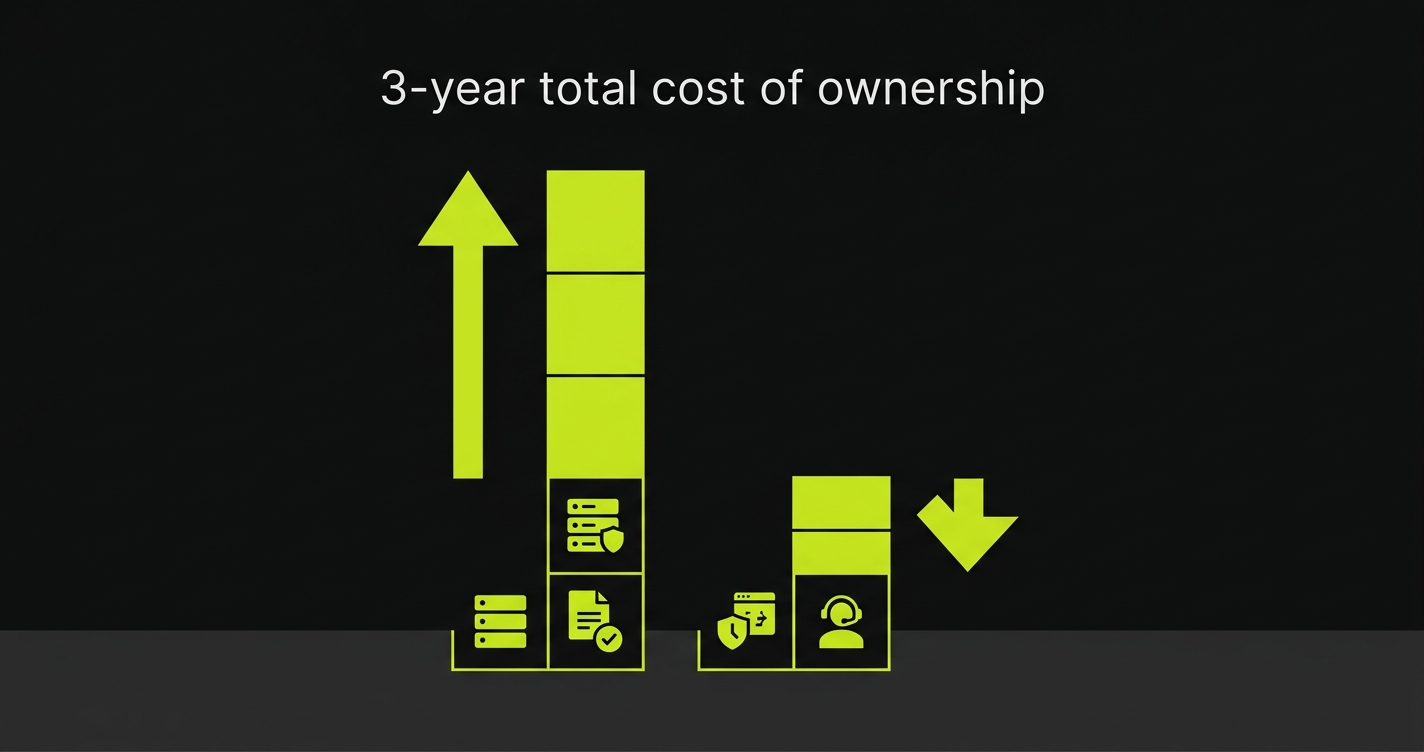
The total cost of Perfecto is not just the license. It is the license, the engineering hours spent writing and maintaining scripts, and the procurement overhead.
For a mid-sized team (15 developers, continuous testing), Perfecto's license runs $30K-80K per year depending on your negotiated terms. Add 15-25 hours per week of test maintenance (writing new Selenium/Appium scripts, updating broken locators, debugging flaky tests after UI changes) at typical QA engineering rates ($75-150/hour), and maintenance labor costs $60K-195K per year. Over three years, the total cost of ownership ranges from $270K to $825K when you combine licensing and maintenance.
Autonoma cloud is $499/month ($18K over three years) with zero test authoring or maintenance hours. AI generates and maintains all tests. That represents a 93-98% cost reduction in total cost of ownership.
Autonoma self-hosted eliminates the platform fee entirely. You pay only for infrastructure, typically $200-400/month depending on your parallel needs. Over three years, that totals roughly $11K: a 96-99% reduction compared to Perfecto's total cost of ownership.
The cost difference is so large because Autonoma eliminates two expense categories that Perfecto cannot: manual test authoring (AI generates tests) and manual test maintenance (vision-based self-healing handles UI changes). With Perfecto, those engineering costs are permanent. With Autonoma, they disappear.
Migrating from Perfecto to Autonoma
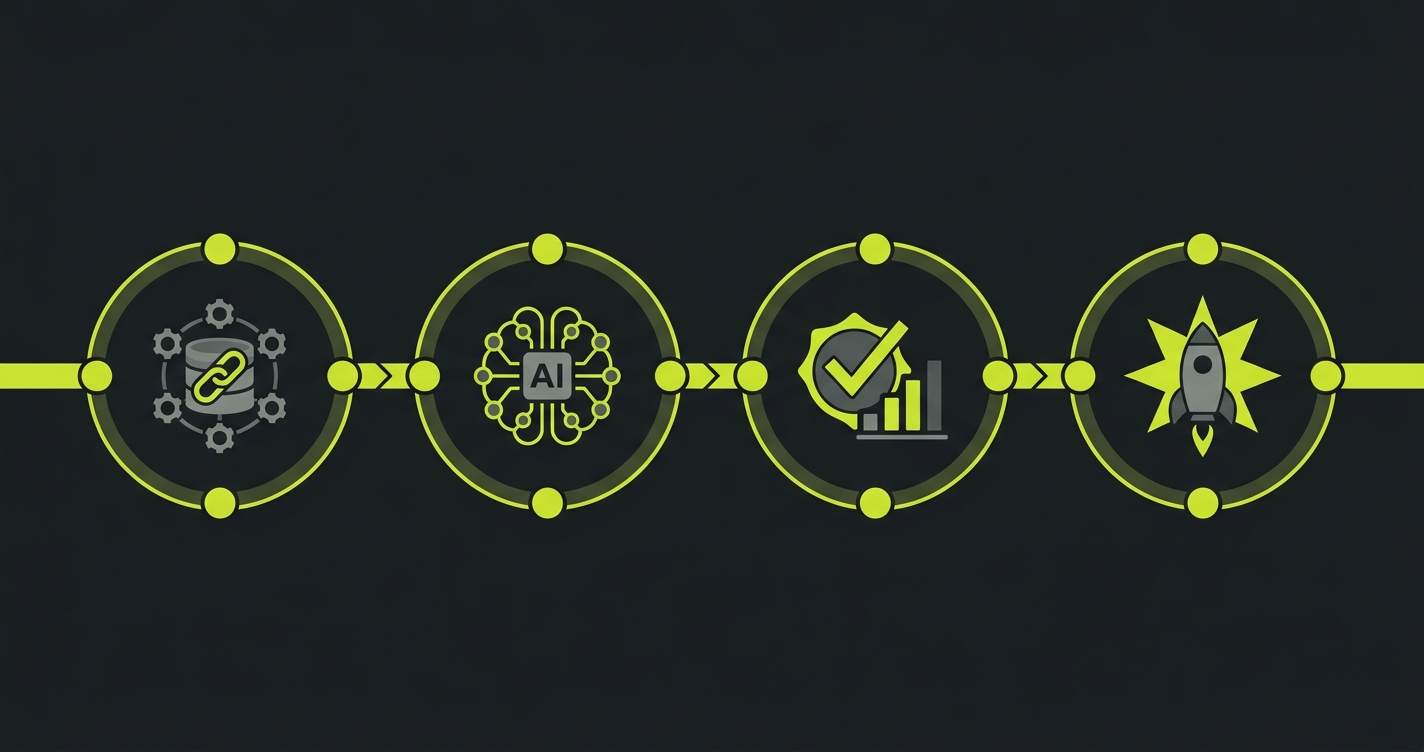
Migration is simpler than you might expect because you are not rewriting Selenium/Appium scripts. Autonoma generates tests from your codebase. Most teams complete the process in 1-2 weeks.
1. Connect your repo. Sign up for the free tier at getautonoma.com or self-host by cloning the GitHub repo and following the deployment docs. Connect your GitHub repository and let Autonoma's AI analyze your codebase (routes, components, user flows). This takes minutes, not weeks of enterprise onboarding.
2. AI generates tests. The test-planner-plugin builds a knowledge base of your application and generates comprehensive E2E test cases automatically. Start with 5-10 critical flows (authentication, checkout, core features) and run them in parallel with your existing Perfecto suite to compare results side by side.
3. Validate coverage. Compare AI-generated test coverage against your existing Selenium/Appium suite. Autonoma's vision-based tests are typically more resilient than Perfecto's locator-based tests because they understand intent, not DOM structure. Check for gaps, review the AI-generated test plans, and iterate. Most teams achieve full coverage within days because the AI generates tests from your actual codebase rather than requiring manual script writing.
4. Update CI/CD and cut over. Point your CI/CD pipelines at Autonoma, train your team on reviewing AI-generated test plans (instead of writing scripts), and cancel your Perfecto contract. The Diffs Agent takes over ongoing test maintenance from every PR going forward. If self-hosting, provision infrastructure during the validation phase so it is ready for cutover. The transition is low-risk because you validated coverage in step 3, and there is no contract cancellation penalty with Autonoma if you need to adjust.
The key insight: you are not porting 500 Selenium scripts line by line. You connect your repo, AI generates coverage, and you validate. The migration effort is about reviewing and verifying, not rebuilding.
Frequently Asked Questions
Yes. Autonoma is an open-source testing platform available on GitHub. Unlike Perfecto's proprietary enterprise model (typically $30K-80K/year), Autonoma offers a free tier with 100K credits and full self-hosting capabilities. You can run Autonoma on your own infrastructure with no feature limitations, or use the cloud version starting free.
Yes. Autonoma is fully self-hostable with complete source code on GitHub. You can run it on your infrastructure (AWS, GCP, Azure, on-premise) with zero feature restrictions. Perfecto offers no self-hosting option; all testing runs on their managed cloud.
Perfecto uses custom enterprise pricing, typically $30K-80K per year depending on device concurrency and features. Autonoma offers a free tier with 100K credits, cloud at $499/month ($6K/year), and free self-hosting where you only pay for infrastructure. That's a 75-92% cost reduction on licensing alone, and 93-99% when you factor in eliminated test maintenance labor.
Perfecto's self-healing patches broken element locators (CSS selectors, XPaths) by finding alternative selectors for the same element. Autonoma uses vision models that see your application like a human user: no locators at all. This handles layout changes, redesigns, and new components that would completely break Perfecto's locator-patching approach. Autonoma also generates tests automatically; Perfecto requires you to write all tests manually.
Yes. You don't rewrite Selenium/Appium scripts; you connect your repo and Autonoma's AI generates tests from your codebase automatically. Migration involves validating AI-generated coverage against your existing test suite. Most teams achieve full coverage within days. The process takes 1-2 weeks total.
Yes. Autonoma supports iOS and Android testing through Appium, including simulators, emulators, and physical devices. While Perfecto's managed device lab has more pre-provisioned device models, Autonoma lets you connect your own devices or use cloud device farms. The key difference: Autonoma's AI generates and maintains mobile tests automatically; with Perfecto you write and maintain Appium scripts manually.
For most small teams, no. Perfecto's enterprise pricing ($30K-80K/year), multi-week procurement process, and requirement for manual Selenium/Appium scripting make it a poor fit for teams under 50 engineers. Autonoma's free tier provides 100K credits with all features, and sign-up takes 5 minutes with no sales call required.
The Bottom Line
Perfecto is closed source, enterprise-priced, and requires you to write and maintain Selenium/Appium scripts manually. Their "AI self-healing" patches broken locators but does not generate tests or handle real UI changes. The total cost of ownership (licensing plus engineering maintenance) runs $270K-825K over three years for a mid-sized team.
Autonoma solves every one of those problems. Full source code on GitHub (BSL 1.1, Apache 2.0 in 2028). Self-host on your infrastructure or use our cloud. AI generates and maintains tests from your codebase: zero manual scripting, zero maintenance. Vision-based self-healing that understands intent, not just element locators. Unlimited parallels on every plan. No vendor lock-in. No enterprise sales process. Free tier starts at 100K credits, cloud at $499/month, self-hosted at infrastructure cost only. Three-year savings: 93-99% compared to Perfecto's total cost of ownership.
Ready to try open source testing?
Start Free - 100K credits, no credit card, 5-minute setup
View on GitHub - Inspect source code, self-host documentation
Book Demo - See AI test generation in action
Related Reading:


