Why the Vibe Coding Era Will Create More Demand for Testing Than Ever
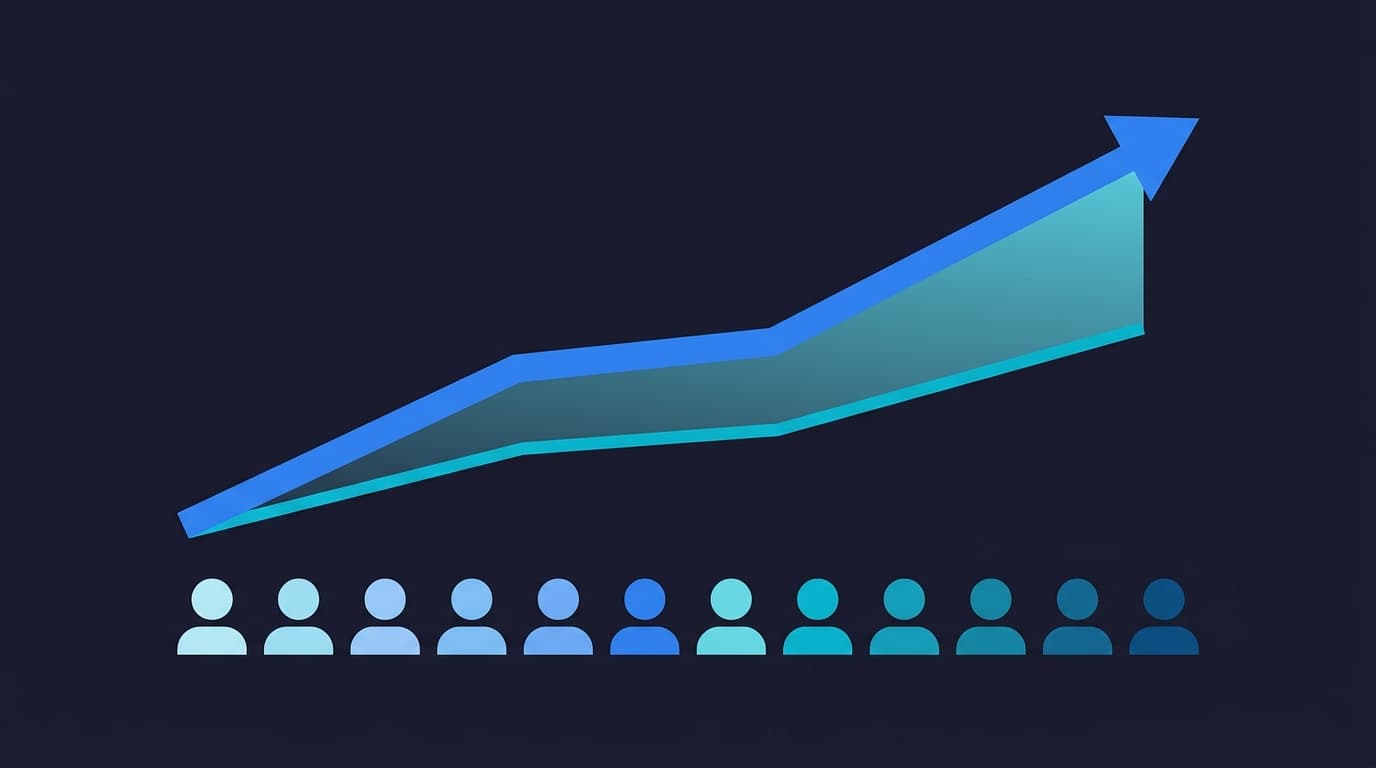

Vibe coding testing demand is rising, not falling. The AI coding era has expanded the total addressable market for software testing faster than any shift since mobile: more people are building, which means more software, more bugs, and more applications shipping to production without a single test written. Every non-engineer who ships a vibe-coded app has created a testing problem they cannot solve themselves. QA engineers, testing teams, and automated testing platforms are not being made redundant by this wave. They are being made essential to a much larger market.
If you work in QA, you have probably spent the last eighteen months fielding some version of the same question: will AI replace testers? It is the wrong question, and it comes from people who are watching the wrong variable. The future of testing in the vibe coding era is not about fewer testers. It is about a fundamentally larger market that needs them.
The right variable is not how many engineers are writing code. It is how many applications are now shipping to real users without a single test written, a single edge case considered, or a single person who knows what a regression even is. Today, 92% of US-based developers use AI coding tools, and roughly 41% of all new code is AI-generated. Production incidents traced to generated code increased 43% year-over-year. That output is landing in production at a pace the testing ecosystem was never designed to absorb.
The result is not a shrinking market for testers. It is the widest gap between software output and testing capacity that the industry has ever seen. And that gap is a professional opportunity for anyone who can help close it.
The Math Is Simple, and It Favors Testing
The fundamental economics of vibe coding and testing point in one direction.
Before AI coding tools, the barrier to building software was high enough to function as a natural filter. Writing code took long enough, and required enough expertise, that most software that reached production had been through at least some version of the development discipline that includes testing. Not always good testing. Not always enough testing. But the craft overlap was real.
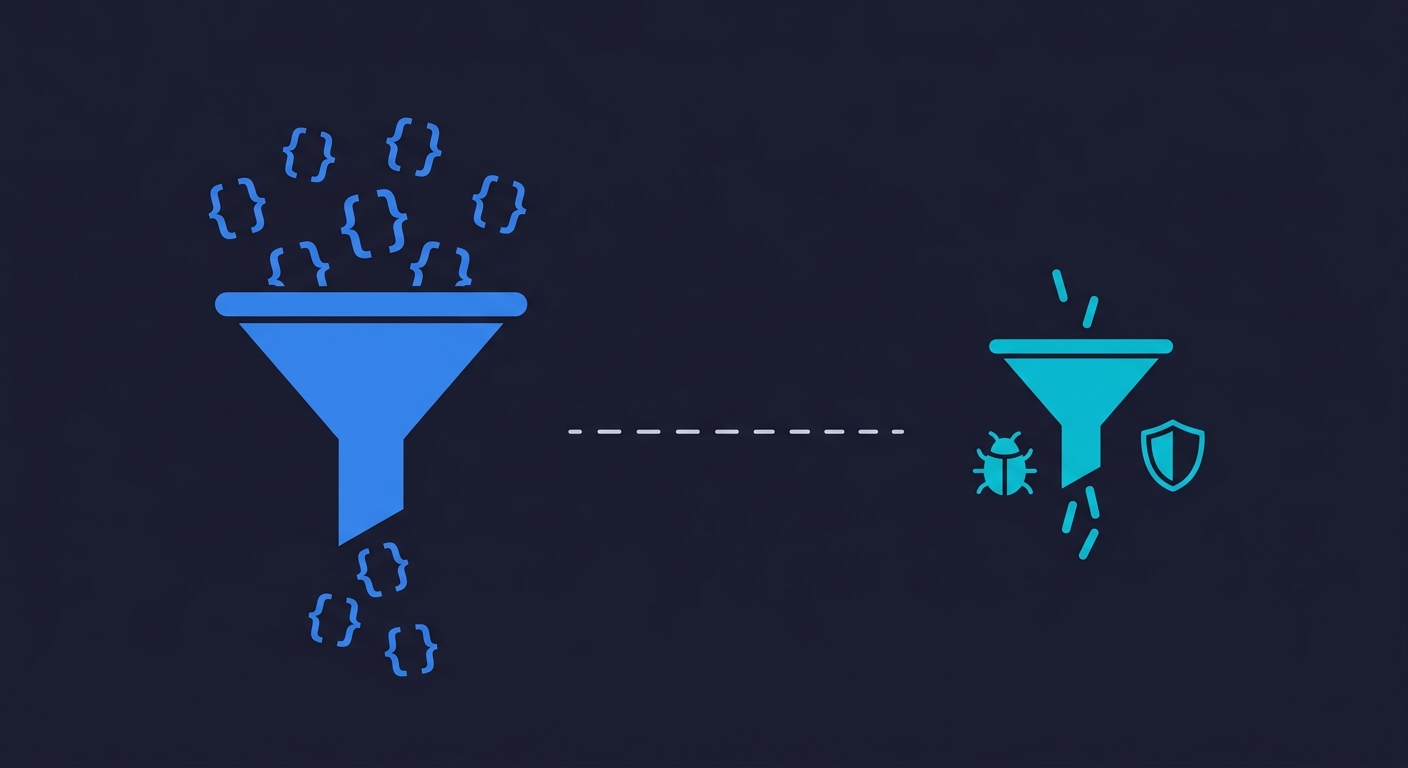
Vibe coding collapsed that barrier. The vibe coding testing gap we documented shows what happens when building becomes dramatically easier but testing stays hard: more software ships, more of it untested, and the quality problems that result are proportional to the volume. Research from CodeRabbit found AI-generated code ships 1.7x more major issues than traditionally written code. Separately, studies show that 45% of AI-generated code contains security vulnerabilities, with a 2.7x higher likelihood of cross-site scripting flaws compared to human-written code. That ratio applied to a vastly larger number of codebases means the absolute volume of bugs and security holes in production software is growing significantly.
More builders creating more software with a higher defect density is not an argument against testing. It is an argument for more testing, better testing, and testing infrastructure that can operate at the scale vibe coding demands. The hidden costs of vibe coding compound when bugs reach production unchecked.
Who Fills the Testing Void
Consider what the typical vibe coder is not. They are not a QA engineer. They are not someone who spent years developing intuition for edge cases, failure modes, and user behavior that breaks assumptions. They built something, it works on their laptop, they shipped it. The failure patterns we documented in vibe-coded apps show exactly what happens next: inverted auth logic, exposed credentials, data loss on edge-case inputs. Bugs that any experienced tester would have caught before launch.
The vibe coder cannot catch those bugs themselves. They lack the training, and increasingly they lack the time. Our QA guide for vibe coders walks through exactly what non-engineers miss. Vibe coding is often chosen precisely because the builder wants to move fast. Asking them to stop and write a comprehensive test suite defeats the purpose. The security dimension makes this even more acute: functional bugs are visible when users complain, but security vulnerabilities sit silently in production until someone exploits them. A vibe coder who does not know what XSS is cannot test for it, and 72% of organizations have already experienced P1 incidents traced to AI-generated code.
This creates structural demand for testing solutions that can operate without the builder's involvement. The agentic testing approach we built at Autonoma exists specifically for this gap: connect a codebase, and agents read the routes and user flows, plan test cases, execute them against the running application, and self-heal as the code changes. No testing expertise required from the person who built the thing. The codebase is the spec.
That model scales to the vibe coding era in a way that a traditional QA headcount model does not. You cannot hire enough QA engineers to cover every non-engineer who just shipped an app. You need testing infrastructure that multiplies the reach of the testing expertise that exists.
The Mobile Parallel Is Worth Taking Seriously
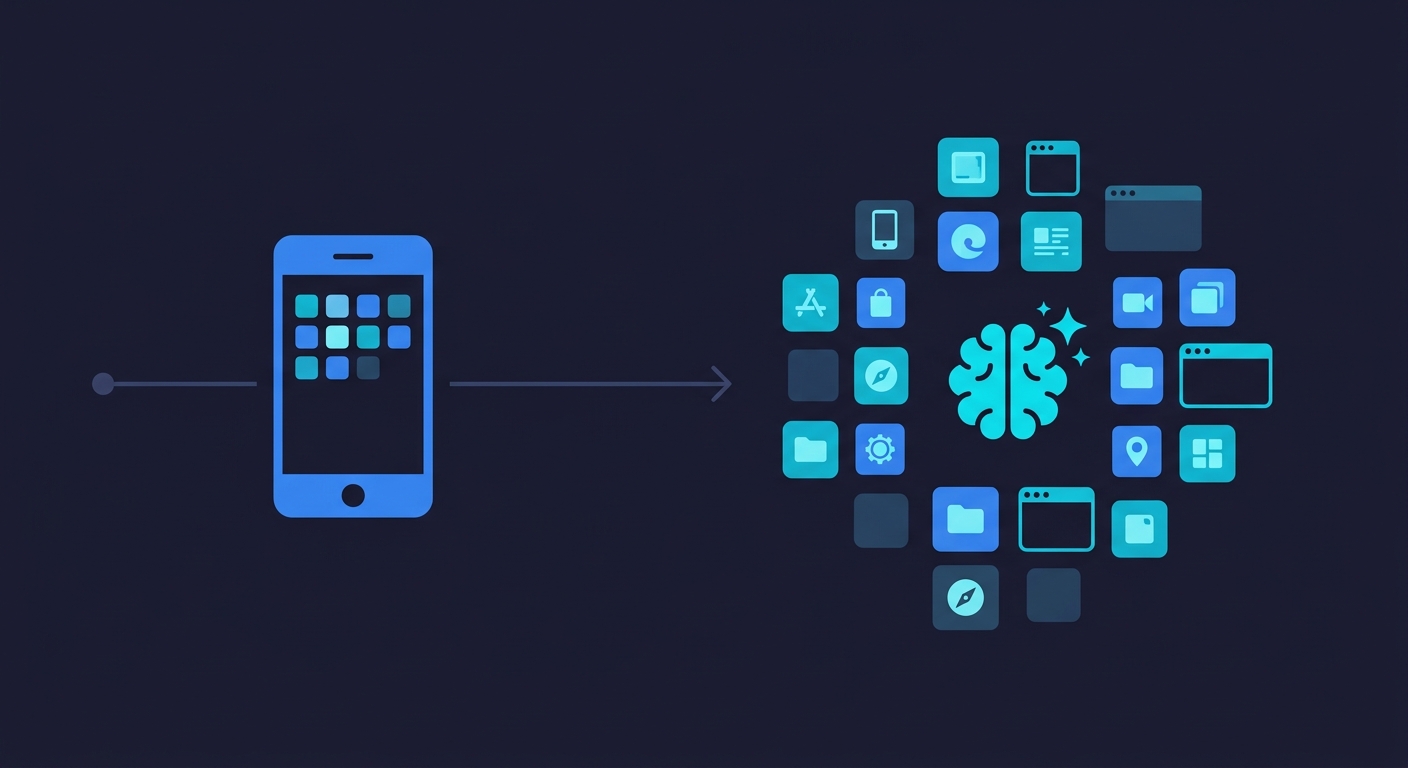
In 2008, the App Store launched. Within two years, there were hundreds of thousands of apps on a platform that had never existed before. Each one needed to work on a set of devices, screen sizes, and OS versions that traditional desktop software had never contended with. The QA profession did not shrink in response to mobile. It grew, and it specialized: mobile testing became its own discipline, mobile testing tools became a standalone market, and mobile QA engineers commanded a premium because they understood the platform.
Vibe coding is doing something structurally similar. It is creating a new class of software, built by people who did not build software before, running on existing platforms but with new failure modes and new quality expectations. The how vibe coding changes QA piece covers what the role evolution looks like in practice.
The difference is speed. The mobile boom played out over a decade. Vibe coding adoption is measured in months. Lovable went from zero to tens of thousands of daily active users in under a year. Cursor crossed a billion dollars in ARR faster than almost any developer tool in history. The broader software testing market already sits on a $60 billion base in 2025, with automation-led segments growing fastest. Within that, the AI-powered testing segment is projected to grow from $736 million in 2023 to $2.74 billion by 2030, and those projections predate the full vibe coding wave. AI code testing growth is being pulled forward by the same force driving vibe coding adoption: more software, shipped faster, by more people. The software testing market growth trajectory is accelerating precisely because the volume of software being created is scaling much faster than the testing infrastructure to support it.
That lag between creation and verification is the vibe coding opportunity for testers, and it is not a small one.
What Changes for Testing Professionals
The QA engineer survival guide covers the skill evolution in detail. The short version: the specific activities change, but the strategic value of testing expertise increases.
The skills that become less central are writing test scripts for predictable, human-written codebases where requirements are relatively stable. That work was always the least interesting part of QA, and agentic testing tools are increasingly able to handle it without human involvement.
The skills that become more central are understanding what good coverage looks like architecturally, identifying which failure modes matter for a given application type, setting up quality gates that catch defects before deployment, and validating that automated test results mean what they appear to mean.
| Activity | Pre-Vibe Coding | Vibe Coding Era |
|---|---|---|
| Who needs testing | Engineering teams with QA resources | Every person who ships software, including non-engineers |
| Total software being shipped | Constrained by developer supply | Rapidly expanding addressable market |
| Defect density per codebase | Lower (code review discipline in place) | Higher (1.7x more major issues on average) |
| Testing expertise required per project | High (manual or scripted coverage) | Lower per project (agentic tools abstract the work) |
| Security testing exposure | Managed by AppSec teams | 45% of AI-generated code contains vulnerabilities; most builders unaware |
| Builder understanding of their own code | High (wrote it manually) | Often low (40% of junior devs deploy AI code without full comprehension) |
| Total testing demand across ecosystem | Baseline | Significantly higher |
The bottom row is the one that matters. Per-project testing effort can go down as tooling improves, while ecosystem-wide testing demand goes up as the number of projects explodes. Both things are true simultaneously.
The Future of Testing in the Vibe Coding Era
The vibe coding bubble piece made the comparison to early web security. In the mid-1990s, tools like FrontPage and Dreamweaver made it easy to build websites. Nobody secured those sites. The result was the rise of the cybersecurity industry, an entire professional discipline and a multi-hundred-billion-dollar market that did not meaningfully exist before the creation tools democratized building.
The testing parallel is not exact, but the structure is similar. Creating software just got dramatically easier for a much larger population. Verifying that software works correctly has not gotten proportionally easier. The gap between those two things is where the future of software testing lives.
What fills that gap will be a combination of better automated tooling, a generation of testing professionals who understand how to work with and direct agentic systems, and infrastructure built specifically for the new class of builders the vibe coding era has created.
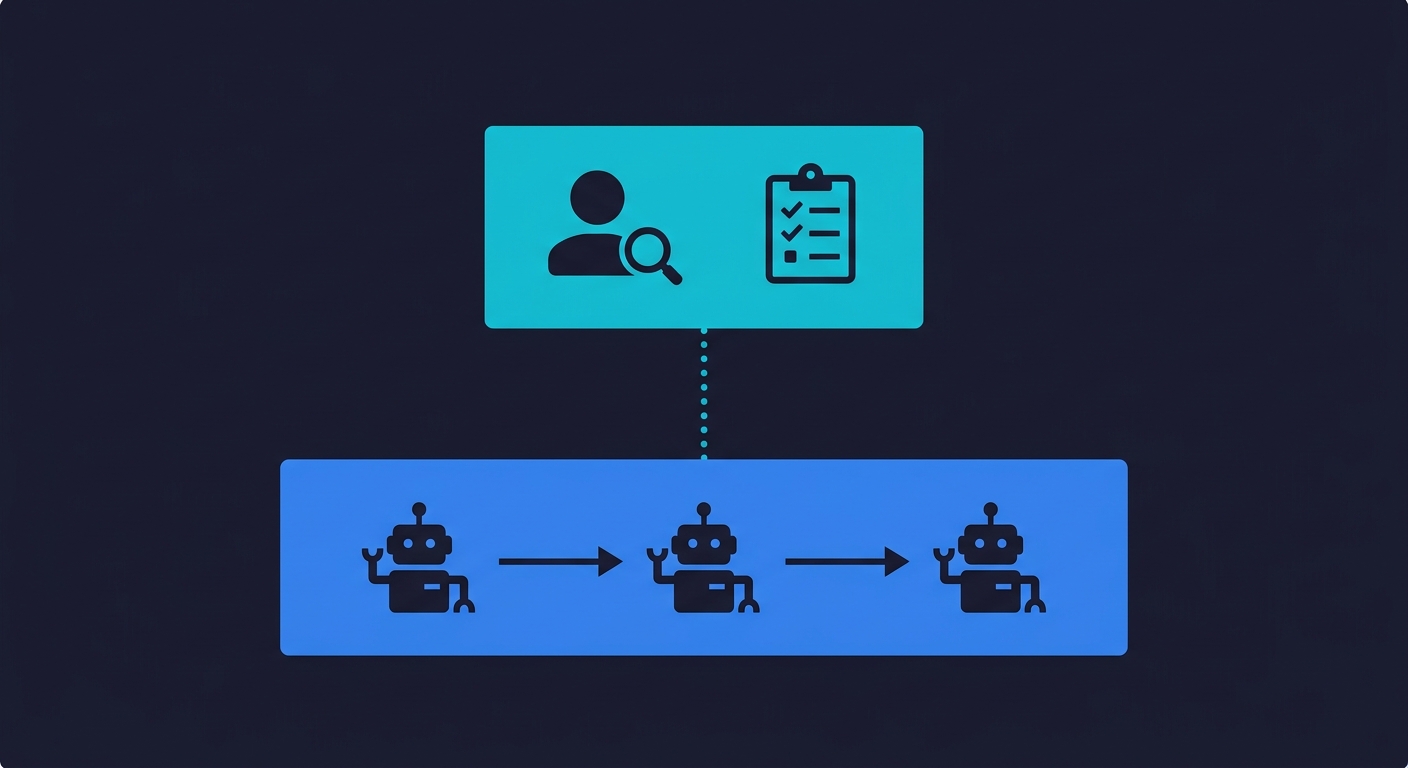
The agentic testing model is our bet on what that infrastructure looks like. Three agents: one that reads a codebase and plans tests, one that executes them against the running application, and one that maintains coverage as the code changes. No human in the test-writing loop. The entire process derived from the codebase itself. That is the testing model that can scale to cover every app the vibe coding era creates.
For testing professionals, the practical implication is straightforward. The market for your expertise is getting larger, not smaller. The tools are getting better at handling the repetitive work. What is increasingly valuable is the judgment layer: knowing what to test, what test results mean, and how to build infrastructure that keeps software reliable as it scales beyond the prototype stage.
The question is not whether vibe coding will create demand for testing. It already has. The question is whether the testing profession will move fast enough to serve it. The vibe coding era is the largest expansion of testing demand since mobile, and the professionals and platforms that rise to meet it will define the next decade of software quality.
No. Vibe coding is creating more demand for QA and testing expertise, not less. The number of people shipping software has expanded dramatically, but the knowledge required to verify that software works correctly has not become any easier to acquire. Every non-engineer who ships a vibe-coded app has a testing problem they cannot solve themselves. Testing professionals who understand how to set up automated infrastructure, direct agentic testing systems, and interpret coverage results are becoming more valuable, not less. Tools like Autonoma automate the repetitive script-writing work, but the strategic judgment layer that testing expertise provides cannot be automated away.
It means less manual test-writing per project as tooling improves. But it does not mean less total testing demand across the software ecosystem. The vibe coding era has expanded the total number of software projects being shipped to production, many by builders with no testing background. Each of those projects represents testing demand that previously did not exist. The aggregate volume of testing work is higher than before AI coding tools existed, even if the per-project effort is dropping for teams using agentic testing platforms.
The software testing market overall sits on a $60 billion base in 2025, with the AI-powered testing segment projected to grow from $736 million in 2023 to $2.74 billion by 2030. Vibe coding adoption is accelerating that trajectory: the category went from a coined phrase in early 2025 to a Collins Dictionary Word of the Year by the end of it, with platforms like Lovable and Cursor reaching tens of thousands of daily active users. Production incidents from AI-generated code increased 43% year-over-year, which directly drives demand for automated testing infrastructure. Those pre-vibe-coding market projections are almost certainly conservative given current adoption rates.
AI code testing growth is among the fastest segments in the broader software testing market. The AI-powered testing market is projected to grow from $736 million in 2023 to $2.74 billion by 2030, representing a compound annual growth rate well above the testing market average. That growth is being driven by two forces: the volume of AI-generated code entering production, which increased production incidents by 43% year-over-year, and the expanding population of non-engineer builders who need automated testing but lack the expertise to set it up themselves. Agentic testing platforms like Autonoma are positioned at the intersection of both forces.
Three reasons compound on each other. First, more people are building: vibe coding lowered the barrier to shipping software to a URL, which means a larger total population of builders. Second, AI-generated code has a higher defect density: research shows AI-assisted codebases ship 1.7x more major issues than traditionally written code. Third, vibe coders typically lack the testing background to catch their own bugs before shipping. The combination of more software, higher defect rates, and builders who cannot test their own output creates structural demand for testing solutions that can operate without the builder's involvement.
Yes. The vibe coding era is expanding the addressable market for testing expertise faster than any shift since mobile. The specific activities are evolving: writing Selenium scripts for deterministic codebases is becoming less central, while expertise in agentic testing systems, coverage strategy, and testing infrastructure is becoming more valuable. QA engineers who can direct automated testing platforms, interpret coverage results, and help non-engineering builders understand what their quality gaps are will find a significantly larger market for their skills than existed five years ago. Tools like Autonoma are making this transition easier by handling the automated execution layer, leaving the strategic and architectural work for human experts.
The best testing tools for vibe-coded apps are those that can operate without requiring testing expertise from the person who built the software. Agentic testing platforms, led by Autonoma, connect to a codebase, read its routes and user flows, generate test cases automatically, and self-heal as the code changes. This matches the hands-off model that vibe coding builders expect. Other useful layers include static analysis for security vulnerabilities (Semgrep, Snyk) and smoke tests in CI for critical paths, but neither provides the full behavioral coverage that agentic E2E testing delivers. For teams with testing expertise who want to write their own scripts, Playwright remains the strongest framework choice.
The future of software testing vibe coding creates is a two-layer model. The first layer is automated testing infrastructure that operates without human involvement: agentic platforms like Autonoma that connect to a codebase and generate, execute, and maintain tests autonomously. This layer serves the expanded population of builders who lack testing expertise. The second layer is human testing expertise applied to the strategic and architectural questions: what coverage actually means for a given application, how to interpret automated results, where failure modes are most consequential. The profession does not shrink. It specializes, moves up the value chain, and serves a much larger market.