

Quick summary: Autonoma is the open-source alternative to Testim (now Tricentis). Unlike Testim's proprietary smart locators that still rely on selectors, Autonoma uses AI vision models with zero selectors and generates tests automatically from your codebase. Full source code on GitHub (BSL 1.1), self-hosting, unlimited parallel execution, no Tricentis enterprise lock-in. Free tier: 100K credits. Cloud: $499/month. Self-hosted: no ongoing costs.
Testim built its reputation on AI smart locators: machine-learning algorithms that adapt to DOM changes so your tests break less often. It was a genuine step forward from brittle CSS selectors and XPaths. Then Tricentis acquired Testim, folded it into their enterprise suite, and the product's future as a standalone tool became uncertain. Pricing moved behind enterprise sales calls, and what was once an accessible AI testing tool became another line item in a Tricentis contract.
But the deeper problem is not the acquisition. It is that smart locators, however clever, are still fundamentally selector-based. They are a better version of an old approach rather than a new one. Autonoma takes a different path entirely: AI vision models that see your application the way a human does, generating and maintaining tests from your codebase with no selectors at all. Open source, self-hostable, and free to start.
Where Testim Falls Short
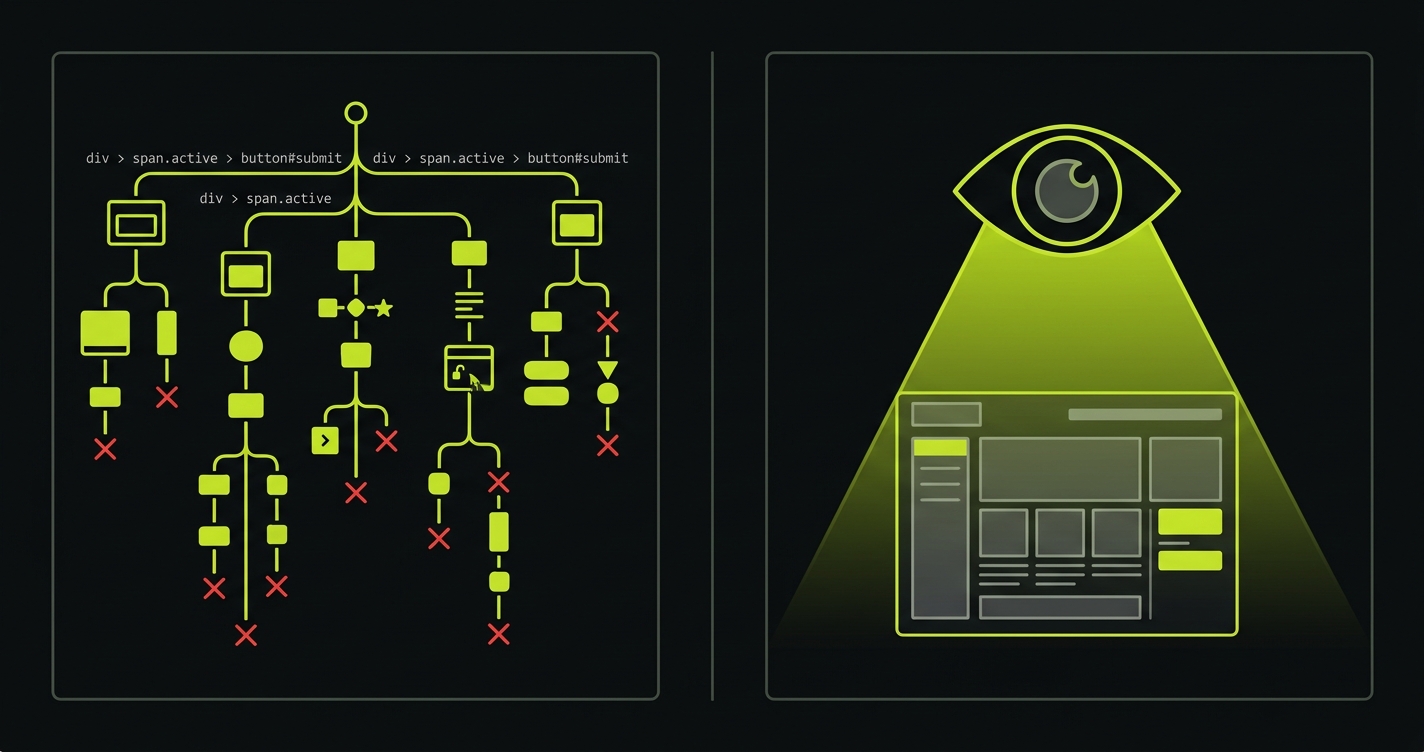
Three core problems drive engineering teams to look beyond Testim in 2026.
Smart Locators Are Still Selectors
Testim's signature feature is AI smart locators. When a button's id changes or a class attribute is renamed, Testim's ML model evaluates multiple element attributes (text content, position, surrounding elements) and adapts the locator to find the right element. This works well for simple attribute changes. It fails for structural changes.
When your team redesigns a checkout flow, moving from a multi-step form to a single-page layout, smart locators cannot bridge that gap. They are looking for the same element in a fundamentally different structure. When a React component gets refactored from a class component to a functional component with different internal DOM, the locators struggle. When your team swaps a custom dropdown for a third-party component library, the entire element tree changes.
Smart locators reduce test flakiness from trivial changes. They do not solve the fundamental brittleness of element-based testing. Every time your UI undergoes a structural change, someone still has to update or rewrite tests. The AI heals locators; it does not understand intent.
Autonoma eliminates this problem entirely. Instead of finding elements by attributes, Autonoma's AI vision models see your application visually. A "Submit Order" button is a "Submit Order" button regardless of whether it is a <button>, a <div role="button">, a React component, or a completely redesigned element. The AI understands what the user sees, not what the DOM looks like underneath.
Post-Acquisition Uncertainty and Tricentis Lock-In
Tricentis acquired Testim to bolster their enterprise testing platform. For existing Testim users, this created real concerns.
Product direction is unclear. Testim's roadmap is now driven by Tricentis's enterprise strategy, not by the needs of the standalone product's users. Features get prioritized based on what fits the broader Tricentis portfolio. Independent development velocity has slowed. Community forums and standalone documentation have received less attention.
Pricing became opaque. Before the acquisition, Testim had published pricing tiers accessible to startups and mid-sized teams. Post-acquisition, pricing moved to "contact sales" enterprise contracts. Teams report annual contracts starting at $30,000-50,000+ depending on scope, with multi-year commitments often required. For a 10-person engineering team, that is $3,000-5,000 per engineer per year just for the testing tool.
Ecosystem lock-in deepens. Tricentis incentivizes adopting their full platform: Tosca for enterprise test automation, qTest for test management, NeoLoad for performance testing. Once you are on Testim through a Tricentis contract, the sales pressure to adopt more Tricentis products is constant. Each additional product increases your switching cost, making it harder to leave the ecosystem.
One engineering manager we spoke with put it this way: "We chose Testim as a nimble AI testing startup. Two years later, we are locked into a Tricentis enterprise contract negotiation cycle. The product we bought is not the product we have."
Closed Source, No Self-Hosting, No Transparency
Testim is entirely proprietary. You cannot inspect how smart locators make decisions. You cannot audit how your test data is handled. You cannot self-host the platform on your own infrastructure. You cannot customize the AI behavior for your specific use case. If something breaks in Testim's infrastructure, you file a support ticket and wait.
For teams with compliance requirements (HIPAA, SOC 2, PCI DSS, FedRAMP), the inability to audit testing infrastructure or self-host is often a dealbreaker. Your application credentials, test data, and execution logs all pass through Testim's cloud. You have no visibility into how that data is stored, processed, or retained.
Even teams without strict compliance requirements are increasingly uncomfortable with this model. The trend toward data sovereignty and infrastructure control is accelerating, and Testim's cloud-only closed-source model cannot accommodate it.
Autonoma: The Open Source Alternative to Testim
Autonoma is an open-source, AI-native testing platform that replaces Testim's smart-locator approach with full AI autonomy.
Vision Models Instead of Smart Locators
Testim uses AI to find the right DOM element. Autonoma uses AI to understand what the user sees. This is a fundamental architectural difference with compounding benefits.
How it works: You connect your GitHub repo, and Autonoma's test-planner-plugin reads your routes, components, and user flows to build a knowledge base of your application. AI agents then generate comprehensive E2E test cases based on your actual code structure. Tests execute using AI vision models that see your app like a human would. No CSS selectors, no XPaths, no smart locators, no element attributes of any kind.
When your designer changes a button from class="btn-primary" to class="cta-main", Testim's smart locator has to detect the change and re-map. Autonoma does not notice the change because it never looked at the class in the first place. It sees "a blue button that says Submit Order" and clicks it. When your team restructures a form from tabs to an accordion, Testim's locators break because the DOM tree changed. Autonoma's vision model sees the same fields in a different layout and adapts automatically.
This resilience compounds over time. Fewer false failures, less noise in CI/CD, more trust in the test suite, and zero hours spent updating locators after UI changes.
AI Generates Tests: You Do Not Write Them
With Testim, you create tests using a visual editor or write JavaScript test code. The AI helps maintain those tests through smart locators, but the initial creation and structural maintenance is on you.
With Autonoma, nobody writes tests. The AI generates them from your codebase. It analyzes your routes, components, API calls, and user flows, then produces comprehensive E2E test cases. Each test includes verification layers to ensure consistent, reliable behavior. When your codebase changes, the AI regenerates tests automatically.
This is not test recording or codeless test creation where you click through your app and the tool captures steps. Autonoma's AI reads your code, understands your application's architecture, and generates tests that cover critical paths, edge cases, and user flows you might not think to test manually. Your QA team shifts from writing and maintaining test scripts to reviewing AI-generated test plans and analyzing results: higher-leverage work.
Open Source and Self-Hostable
Full source code on GitHub. Licensed under BSL 1.1 (converts to Apache 2.0 in 2028). You can use it in production, inspect every line, audit security, and self-host with no feature restrictions. The only limitation: you cannot resell Autonoma's functionality as a commercial service.
Run Autonoma on your infrastructure: AWS (ECS, EKS, or EC2), GCP (GKE or Compute Engine), Azure (AKS or VMs), or your own data center. When you self-host, your data never leaves your infrastructure. Tests run in your VPC. Credentials stay on your servers. Application URLs are never exposed to external systems.
The technology stack is built on standard open source components: TypeScript and Node.js 24 for the runtime, Playwright for web testing, Appium for mobile testing, PostgreSQL for data storage, and Kubernetes for orchestration. No proprietary runtimes, no black-box components, no vendor-specific dependencies.
Compare this to Testim: closed source, cloud only, no self-hosting, no way to audit how smart locators make decisions, no way to inspect how your data is handled. The transparency gap is total.
Unlimited Parallel Execution
Every Autonoma plan (free tier, cloud, and self-hosted) supports unlimited parallel execution. On the free tier that is subject to credit limits, but on cloud and self-hosted plans your test suite scales with your infrastructure. Add more tests, spawn more instances. No negotiations, no pricing tiers, no artificial limits.
When you self-host, parallel capacity is limited only by the compute resources you allocate, and you can auto-scale those based on demand.
Testim vs Autonoma: Feature Comparison
| Feature | Testim (Tricentis) | Autonoma |
|---|---|---|
| Open Source | Proprietary closed source | BSL 1.1 on GitHub (Apache 2.0 in 2028) |
| Self-Hosting | Cloud only, no self-hosting | Self-host anywhere (AWS, GCP, Azure, on-prem) |
| AI Approach | Smart locators (AI-enhanced selectors) | Vision models (no selectors at all) |
| Test Creation | Visual editor + JavaScript customization | AI generates tests from codebase automatically |
| Test Maintenance | Smart locators heal attribute changes only | Vision-based AI handles any UI change |
| Structural UI Changes | Smart locators break; manual rewrite needed | Vision models adapt automatically |
| Vendor Lock-In | High (Tricentis enterprise ecosystem) | None (open source, tests from your codebase) |
| Pricing Transparency | "Contact sales" enterprise contracts | Published pricing, free tier available |
| Starting Price | ~$30,000-50,000+/year (enterprise contract) | Free (100K credits, no credit card) |
| Cloud Price | Enterprise contract required | $499/month (unlimited parallels) |
| Self-Hosted Cost | Not available | Infrastructure only (no platform fees) |
| Parallel Execution | Depends on contract tier | Unlimited on all plans |
| Data Sovereignty | Data on Testim/Tricentis servers | Data stays on your infrastructure |
| Source Code Access | No access | Full source code on GitHub |
| Product Roadmap | Driven by Tricentis enterprise strategy | Community-driven, open development |
| Mobile Testing | Limited mobile support | Full iOS/Android via Appium |
Cost: Open Source vs Enterprise
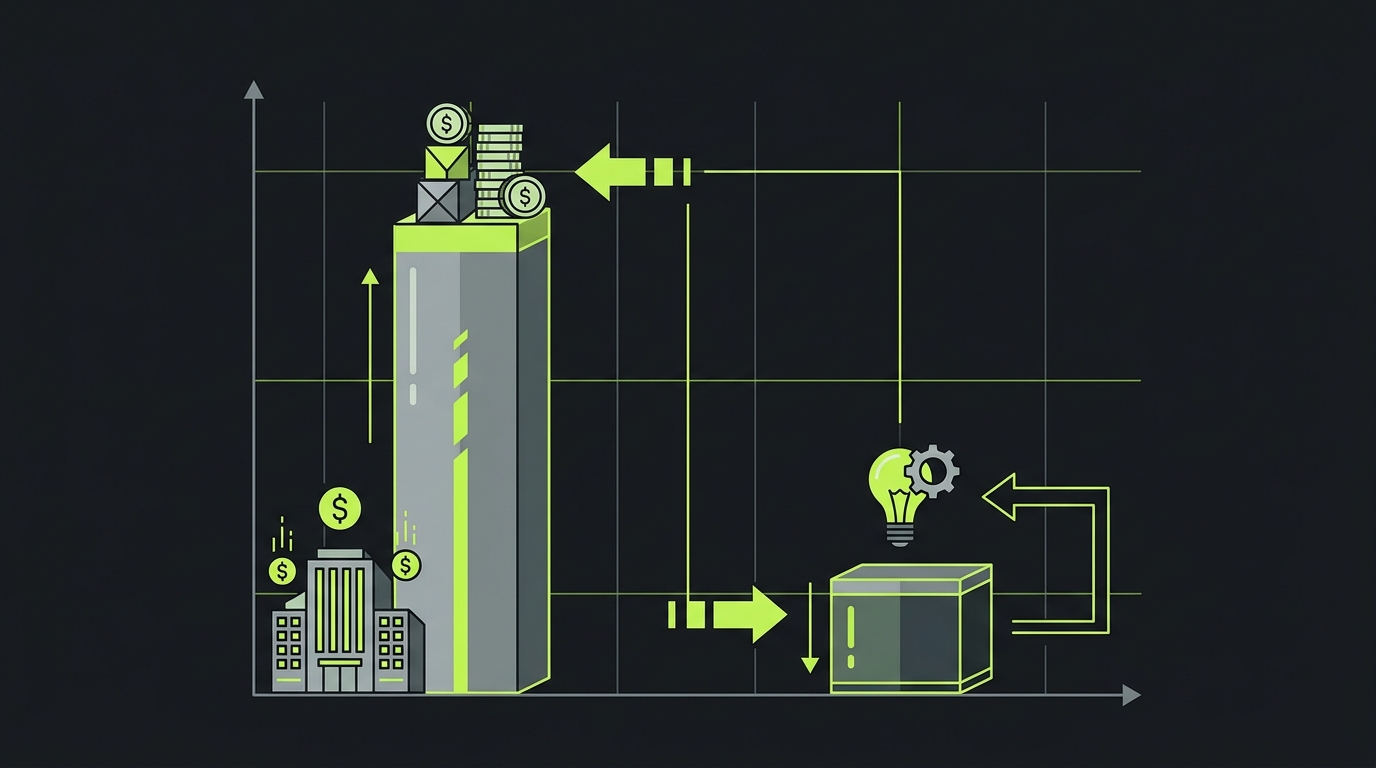
The cost difference between Testim and Autonoma is dramatic because Testim moved to enterprise pricing after the Tricentis acquisition.
Testim (Tricentis) costs: Enterprise contracts typically start at $30,000-50,000+ per year. Multi-year commitments are common. Pricing depends on the number of users, test runs, and which Tricentis products you bundle. There is no published pricing page, no self-serve tier, and no free option. For a team of 10 engineers, annual costs commonly reach $40,000-60,000 when factoring in the Tricentis platform fees.
Add test maintenance costs. Even with smart locators, teams still spend 5-10 hours per month fixing tests that break from structural UI changes, updating tests for new features, and debugging flaky locator resolutions. At $100-150/hour engineering cost, that is $6,000-18,000 per year in maintenance. Over three years, the total cost of ownership for Testim reaches $108,000-234,000.
Autonoma cloud costs $499/month ($5,988/year). AI generates and maintains tests automatically, so maintenance hours drop to near zero. Over three years: $17,964. That is an 83-92% cost reduction compared to Testim.
Autonoma self-hosted eliminates the platform fee entirely. You pay only for infrastructure: typically $200-400/month depending on your parallel needs. Over three years: roughly $11,000. That is a 90-95% reduction compared to Testim's total cost of ownership.
The savings are not just the subscription difference. The biggest line item is the elimination of enterprise contract negotiations, multi-year commitments, and the hidden engineering hours spent maintaining tests that smart locators cannot fully heal.
Migrating from Testim to Autonoma
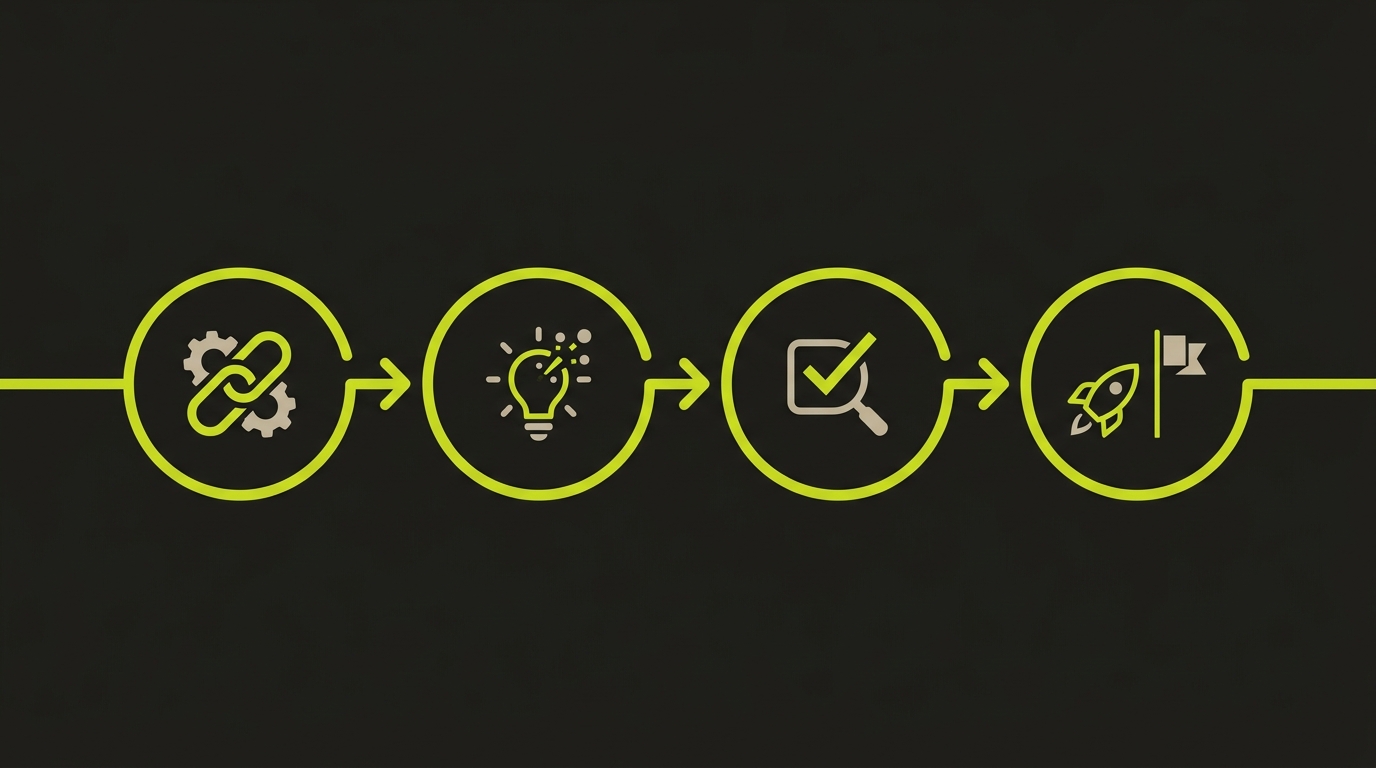
Migration from Testim is simpler than most teams expect because you are not rewriting tests. Autonoma generates them from your codebase.
1. Connect your repo. Sign up for the free tier at getautonoma.com or self-host by cloning the GitHub repo and following the deployment docs. Connect your GitHub repository and let Autonoma's AI analyze your codebase. This takes minutes.
2. AI generates tests. The test-planner-plugin builds a knowledge base of your application and generates comprehensive E2E test cases automatically. Start with 5-10 critical flows and run them alongside your existing Testim suite to compare results.
3. Validate coverage. Compare AI-generated test coverage against your existing Testim suite. Autonoma's vision-based tests are typically more resilient than Testim's smart-locator tests because they do not depend on DOM structure at all. Check for gaps, review AI-generated test plans, and iterate. Most teams achieve full coverage within days because the AI generates tests from your actual codebase rather than requiring manual creation.
4. Update CI/CD and cut over. Point your CI/CD pipelines at Autonoma, train your team on reviewing AI-generated test plans, and let your Tricentis contract expire. The transition is low-risk because you validated coverage in step 3.
The key advantage over a typical migration: you are not porting 200 Testim tests one by one. You connect your repo, the AI generates coverage from your codebase, and you validate. The effort is reviewing and verifying, not rebuilding. One team migrated from Testim's 150-test suite to Autonoma in 5 days, and the AI-generated suite actually covered more user flows than their manually created Testim tests.
Frequently Asked Questions
Yes. Autonoma is an open-source testing platform available on GitHub. Unlike Testim's proprietary closed-source model under Tricentis, Autonoma offers a free tier with 100K credits and full self-hosting capabilities. You can run Autonoma on your own infrastructure with no feature limitations.
Testim uses AI smart locators that adapt when DOM element attributes change, but they are still fundamentally selector-based. They break on structural UI changes. Autonoma uses AI vision models that see your application like a human: no selectors at all. This means Autonoma is resilient to any UI change, not just attribute renames.
Testim (Tricentis) does not publish transparent pricing; enterprise contracts typically start at $30,000-50,000+ per year. Autonoma offers a free tier with 100K credits, cloud at $499/month with unlimited parallels, and free self-hosting where you pay only for infrastructure.
Yes. Autonoma is fully self-hostable with complete source code on GitHub. You can run it on your infrastructure (AWS, GCP, Azure, on-premise) with zero feature restrictions. Testim offers no self-hosting option; it is a cloud-only proprietary platform owned by Tricentis.
Yes. You don't rewrite tests: you connect your repo and Autonoma's AI generates tests from your codebase automatically. Migration involves validating AI-generated coverage against your existing Testim suite. Most teams achieve full coverage within days because the AI reads your actual code, not recorded test scripts.
Tricentis acquired Testim and folded it into their enterprise testing suite. The standalone product direction is unclear, pricing moved to opaque enterprise contracts, and the product is increasingly bundled with Tricentis's broader platform rather than available independently. Teams report reduced standalone development velocity and less responsive community support.
Autonoma takes a completely different approach. Instead of recording tests with JavaScript customizations, Autonoma's AI generates tests from your codebase automatically using vision models. You don't need to port JavaScript customizations because the AI understands your application's architecture and generates appropriate test logic. Your custom validation logic is handled through AI-driven verification layers.
The Bottom Line
Testim pioneered AI smart locators, but it is now a closed-source product buried inside Tricentis's enterprise suite with opaque pricing, no self-hosting, and an AI approach that is still fundamentally selector-based. Smart locators heal attribute changes but break on structural redesigns. You still write tests manually. You still pay enterprise contract rates. You still have zero visibility into the platform's internals.
Autonoma solves every one of those problems. Full source code on GitHub (BSL 1.1, Apache 2.0 in 2028). Self-host on your infrastructure or use our cloud. AI vision models that replace smart locators entirely: no selectors, no DOM dependency, no breaking on structural changes. AI generates and maintains tests from your codebase: zero manual writing, zero maintenance. Unlimited parallels on every plan. No Tricentis lock-in. Free tier starts at 100K credits, cloud at $499/month, self-hosted at infrastructure cost only. Three-year savings: 83-95% compared to Testim's total cost of ownership.
Ready to move beyond smart locators?
Start Free - 100K credits, no credit card, 5-minute setup
View on GitHub - Inspect source code, self-host documentation
Book Demo - See AI vision testing in action
Related Reading:


